

Warning: mysqli_query(): (HY000/1021): Disk got full writing '.(temporary)' (Errcode: 28 "No space left on device") in /home/umhcom/public_html/wp-includes/class-wpdb.php on line 2351
2026 Archives - Usman Memorial Hospital
Understanding What Causes Migraines in Females

Understanding What Causes Migraines in Females

Migraines are a common neurological condition that affects women more often than men and can disrupt daily life, school, and work. Knowing what causes migraines in females helps people prevent attacks and manage symptoms more effectively. A migraine headache is not just a bad headache. It involves changes in brain activity, blood vessels, and body chemistry that lead to pain and other symptoms, such as nausea and sensitivity to light and sound.

How Migraines Work in the Brain

Migraines begin with changes in how the brain processes signals. The trigeminal nerve, which carries pain signals from the face and head, becomes overactive. Chemicals such as serotonin and calcitonin gene-related peptide increase, which can widen blood vessels and increase pain.

Some people also experience a wave of brain activity called cortical spreading depression. This can lead to aura symptoms such as flashing lights or tingling. These processes help explain why these headaches come and go in episodes. They also show how hormones affect migraines, especially in females.

The Role of Hormones

Hormones are one of the most important factors behind what causes migraines in females. Estrogen, a key female hormone, affects how the brain controls pain and responds to triggers.

Menstrual Cycle and Migraines

Many women experience menstrual migraines, which occur just before or during their period. Estrogen levels drop quickly at this time, which can trigger migraines. These attacks are often stronger and last longer than usual.

Pregnancy and After Childbirth

During pregnancy, estrogen levels stay more stable. This can reduce migraine frequency for some women. After childbirth, hormone levels change quickly, which may cause these headaches to return.

Perimenopause and Menopause

Hormone levels become irregular during perimenopause, which can increase migraine frequency.

Common Triggers of Migraines

Understanding what triggers migraines helps people avoid factors that may lead to attacks. Triggers vary between individuals, but some are very common.

Food and Drink

Certain foods can trigger a migraine headache, including:

  • Aged cheese
  • Processed meats
  • Too much caffeine
  • Artificial sweeteners

Skipping meals and not drinking enough water can also be a trigger.

Lifestyle Factors

Poor sleep habits, high stress, and lack of exercise increase the risk of migraines. Long hours on screens and irregular daily routines can also worsen symptoms.

Environmental Triggers

Bright lights, loud sounds, strong smells, and weather changes can trigger migraines. Many people with the condition have increased sensitivity to these environmental factors.

Genetics and Brain Sensitivity

Family history plays an important role in what causes migraines in females. If a close family member has the condition, the chances of developing it are higher.

People with the condition often have a more sensitive nervous system. Their brain reacts more strongly to triggers, which makes it easier for a migraine to start.

Stress and Emotional Factors

Stress is one of the most common triggers. When stress levels rise, the body releases hormones such as cortisol, which can affect brain function and increase pain sensitivity.

Long term stress can also disturb sleep and overall health, which further increases the risk of these headaches. Relaxation techniques and stress management can help reduce the frequency of headaches.

When to See a Doctor

Occasional migraines can often be managed at home, but some symptoms require medical attention. It is important to consult a healthcare professional if:

  • It becomes more frequent or severe
  • Pain affects daily activities
  • Symptoms include vision problems, confusion, or weakness

Prevention and Management

Prevention starts with identifying what triggers migraines and making lifestyle changes. Small, consistent habits can make a big difference.

Practical Tips

  • Maintain a regular sleep schedule
  • Stay hydrated throughout the day
  • Avoid known food triggers
  • Manage stress through relaxation techniques
  • Take breaks from screens

It is highly recommended to consult your doctor regarding the symptoms. Self-medication is not recommended when the symptoms are persistent.

FAQs

Q: What are the main causes of migraines in females?

A: Hormonal changes, stress, certain foods, and genetics all contribute to these headaches.

Q: How do hormones affect migraines?

A: Changes in estrogen levels influence brain chemicals and pain signals, thus directly affecting the condition.

Q: What are menstrual migraines?
A: Menstrual migraines occur due to a drop in estrogen before a period and are often more severe.
Q: Can lifestyle changes help reduce migraines?
A: Yes. Getting enough sleep, staying hydrated, and avoiding triggers can reduce the frequency of headache episodes.
Q: What should be avoided to prevent migraines?
A: Common triggers include certain foods, dehydration, stress, and irregular routines.
What Is Sleep Disorder and When to See a Doctor

What Is Sleep Disorder and When to See a Doctor

Rest, recovery, concentration, mood, immunity, and heart health all depend on healthy nightly patterns. When rest becomes consistently poor, broken, or unrefreshing, it may point to a medical issue rather than a temporary bad habit. What is sleep disorder? It refers to a group of conditions that disrupt how long you rest, how well you rest, when you rest, or how alert you feel during the day. These conditions can interfere with work, safety, memory, and overall wellbeing, especially when symptoms continue for weeks.

Understanding What Is Sleep Disorder

A disorder of sleep is not simply one late night or a stressful week. Doctors use the term when a person develops an ongoing pattern of difficulty falling asleep, staying asleep, breathing normally during the night, maintaining a healthy body clock, or staying awake during the day. In practical terms, what is sleep disorder often comes down to this: your sleep no longer supports normal daily functioning.

Many people ignore early signs and assume fatigue will pass on its own. That delay can allow the problem to worsen. Poor rest may also overlap with multiple conditions like anxiety, depression, chronic pain, etc. Because of that, a proper medical assessment from a doctor is necessary.

Common Types of Sleep Disorders

Several conditions fall under the umbrella of sleep medicine. Understanding the major types of sleep disorders can help you recognize when nighttime problems deserve attention.

1) Insomnia

Insomnia causes trouble falling asleep, staying asleep, or waking too early and not falling back asleep. It often leads to daytime fatigue, irritability, and poor focus.

2) Obstructive Sleep Apnea

This condition causes repeated pauses in breathing during the night. Loud snoring, choking, gasping, morning headaches, and excessive daytime drowsiness often signal sleep apnea.

3) Restless Legs Syndrome

This neurologic condition creates an uncomfortable urge to move the legs, usually in the evening or at bedtime.

4) Narcolepsy

Narcolepsy affects the brain’s ability to regulate rest and wakefulness. People may feel sudden overwhelming drowsiness during the day.

5) Circadian Rhythm Sleep-Wake Disorders

These disorders affect the body clock. Shift work, irregular schedules, or delayed sleep timing can all disrupt healthy rest patterns.

6) Parasomnias

Parasomnias include sleepwalking, night terrors, talking during the night, and certain unusual nighttime behaviors.

Key Symptoms of Sleep Disorders

The symptoms of sleep disorders vary by condition, but several warning signs appear often across different diagnoses:

  • Difficulty falling asleep on most nights
  • Frequent waking up during the night
  • Waking up too early and feeling unable to return to sleep
  • Loud snoring or witnessed pauses in breathing
  • Choking, gasping, or dry mouth on waking
  • Unrefreshing rest despite enough time in bed
  • Daytime drowsiness, brain fog, or poor concentration
  • Mood changes, irritability, or low motivation
  • Leg discomfort or repetitive limb movements at night
  • Unusual behaviors such as sleepwalking or acting out dreams.

If these symptoms start affecting work, driving, relationships, or school performance, medical attention should not wait; consult a doctor as soon as possible.

Major Causes of Sleep Disorders

The causes of sleep disorders are often multifactorial. One person may have poor rest due to stress, while another may have an underlying breathing or neurologic condition.

Common causes include:

  • Chronic stress and anxiety
  • Depression and other mental health conditions
  • Obesity and upper airway obstruction
  • Allergies, sinus blockage, or chronic nasal congestion
  • Acid reflux and sleep coughing
  • Caffeine, nicotine, alcohol, or stimulant use
  • Irregular work hours or excessive screen exposure at night
  • Chronic pain, arthritis, or back problems
  • Hormonal or thyroid disturbances
  • Certain medications.

Lifestyle habits can trigger symptoms, but persistent nighttime issues often involve a deeper medical cause that needs targeted treatment

How are Sleep Disorders Diagnosed

Self-diagnosis is never recommended and often leads to more problems than cure. Doctors do not rely on guesswork. Diagnosis usually starts with a careful clinical history. A physician will ask about your bedtime schedule, habits, snoring, breathing, daytime fatigue, medications, and any related medical conditions.

To be more comfortable with visiting a doctor, it helps to know what tools doctors might use to diagnose the condition:

  • History and symptom review: The doctor identifies patterns and possible triggers.
  • Physical examination: This may reveal nasal obstruction, enlarged tonsils, obesity-related risk factors, or neurologic clues.
  • Rest diary: Patients may track bedtime, awakenings, naps, and energy levels for one to two weeks.
  • Polysomnography (study): An overnight test that monitors breathing, oxygen, heart rate, brain activity, and body movements.
  • Home sleep apnea testing: Often used when sleep apnea is strongly suspected.
  • Daytime testing: In selected cases, doctors assess excessive drowsiness.

Proper diagnosis guides proper treatment; a doctor makes sure every symptom is tested and catered to when diagnosing the condition. That is why self-diagnosis often leads to delays and frustration

When to See a Doctor

Occasional sleep disruption can happen to anyone. Persistent or severe symptoms should not. You should seek medical evaluation if you:

  • Struggle to fall asleep for more than a few weeks
  • Snore loudly and feel exhausted during the day
  • Stop breathing, choke, or gasp during the night
  • Doze off unintentionally during daytime activities
  • Wake with headaches, dry mouth, or palpitations
  • Feel your rest problem is affecting work, driving, or your mood
  • Notice sleepwalking, violent dream behaviors, or repeated sleep movements.

These signs may point to a treatable disorder, and some can carry serious health risks if ignored.

Conclusion

What is sleep disorder if not a warning sign from the body? When sleep no longer restores energy, focus, and health, it deserves medical attention. The answer ultimately depends on the specific cause, but one fact stays the same: early evaluation from a consultant leads to better outcomes.

FAQs

Q: Can a sleep disorder go away on its own?

A: Mild, short-term nighttime disruption may improve after stress settles or habits change. Ongoing symptoms usually need medical review.

Q: Are sleep disorders dangerous?

A: Some are. Untreated sleep apnea, severe insomnia, and excessive daytime drowsiness can affect heart health, mood, safety, and daily functioning.

Q: Which doctor treats sleep disorders?
A: A primary care physician, pulmonologist, neurologist, ENT specialist, or sleep medicine doctor may evaluate and treat these conditions.
Q: Can children and adults both develop sleep disorders?
A: Yes. These conditions can affect all age groups, although symptoms may appear differently depending on age.
How to Manage Cholestrol With Lifestyle Changes

How to Manage Cholestrol With Lifestyle Changes

Maintaining optimal cholesterol levels is a cornerstone of cardiovascular health. A clear understanding of how to manage cholesterol allows individuals to reduce the risk of heart disease, stroke, and metabolic complications. Evidence-based lifestyle interventions remain the first-line strategy for improving lipid profiles and supporting long-term health outcomes. With structured and consistent changes, individuals can significantly improve cholesterol levels and overall well-being.

Understanding Cholesterol and Cardiovascular Risk

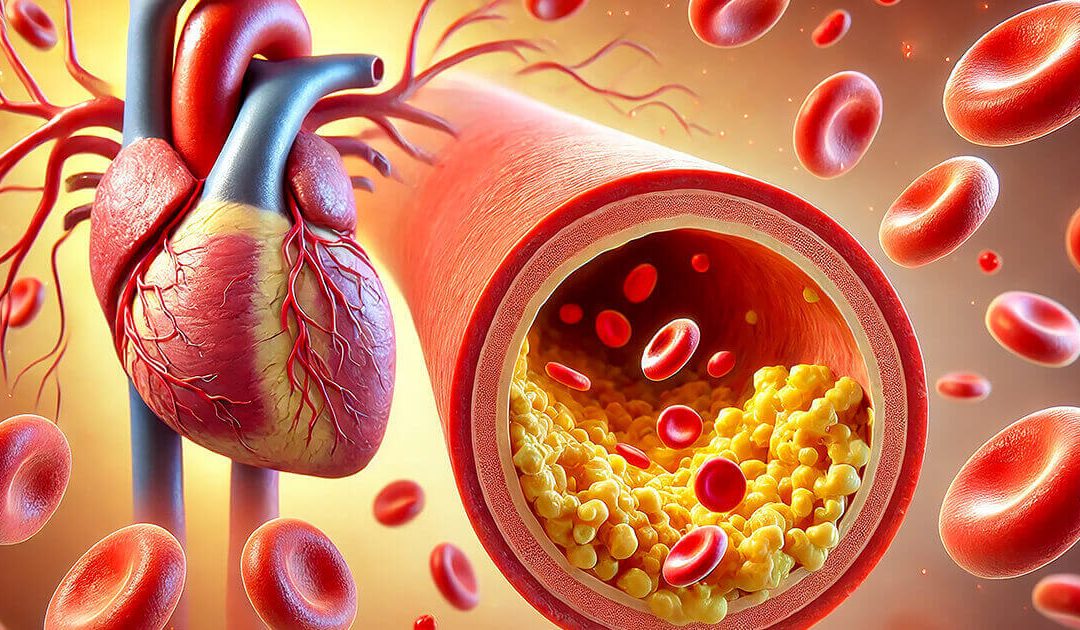
Cholesterol is a lipid essential for cellular function, hormone production, and vitamin synthesis. However, elevated levels, particularly low-density lipoprotein, contribute to atherosclerosis. This process involves plaque accumulation within arterial walls, leading to restricted blood flow and increased cardiovascular risk.

High-density lipoproteins (HDL) play a protective role by transporting excess cholesterol back to the liver for elimination. Effective management focuses on reducing low-density lipoprotein (LDL) levels while supporting high-density lipoprotein levels.

Evidence-Based Dietary Modifications

Dietary intervention remains one of the most effective strategies for lowering cholesterol naturally. Clinical evidence consistently supports the role of nutrition in improving lipid profiles.

Incorporate Cardioprotective Foods

A diet rich in foods that help lower cholesterol can significantly reduce low-density lipoprotein levels. Key recommendations include:

  • Soluble fiber sources, such as oats, barley, and legumes.
  • Nuts, including almonds and walnuts, that provide unsaturated fats
  • Fruits such as apples, citrus, and berries that contain pectin
  • Vegetables, including leafy greens that support digestive health
  • Fatty fish rich in omega-3 fatty acids that improve lipid balance.

Replacing saturated fats with unsaturated fats is equally important. Use plant-based oils such as olive oil and choose lean protein sources, including poultry and fish.

Limit Atherogenic Foods

Reducing intake of trans fats, processed foods, and refined carbohydrates is essential. These dietary components increase low density lipid and contribute to systemic inflammation. Limiting sugary beverages and commercially baked products further supports lipid control.

Weight Management and Metabolic Health

Excess body weight is strongly associated with dyslipidemia. Even modest weight reduction improves cholesterol parameters and reduces cardiovascular risk. Therefore, one of the most effective natural ways to control cholesterol involves achieving a healthy body weight through sustainable dietary practices and portion control.

Structured meal planning, combined with balanced macronutrient intake, supports metabolic stability and long-term adherence.

Physical Activity and Lipid Regulation

Regular physical activity plays a critical role in reducing bad cholesterol. Exercise increases HDL while reducing LDL and triglycerides.

Clinical guidelines recommend at least 150 minutes of moderate-intensity aerobic activity per week. Activities such as brisk walking, cycling, and swimming provide measurable cardiovascular benefits. Resistance training further enhances metabolic function and supports weight management.

Incorporating movement throughout the day, including walking breaks and reduced sedentary time, further contributes to improved outcomes.

Tobacco Cessation and Alcohol Moderation

Smoking accelerates atherosclerosis and reduces protective high-density lipoprotein cholesterol. Smoking cessation leads to rapid improvements in vascular function and overall cardiovascular health.

Excessive alcohol consumption contributes to elevated triglyceride levels and metabolic imbalance. Limiting intake supports better cholesterol control and reduces associated health risks.

Stress Management and Sleep Optimization

Chronic stress contributes to hormonal imbalance and unhealthy behavioral patterns, which negatively impact cholesterol levels. Effective stress management is therefore an essential component of how to manage cholesterol.

Evidence-based approaches include mindfulness practices, structured relaxation techniques, and regular physical activity. In addition, maintaining consistent sleep patterns supports metabolic regulation and cardiovascular health.

Long Term Monitoring and Preventive Care

Sustained success in managing cholesterol requires regular monitoring and professional evaluation. Periodic lipid profile testing enables early detection of abnormalities and guides treatment decisions.

Individuals with additional risk factors, including hypertension or diabetes, require closer monitoring and a more structured management approach. Integrating lifestyle changes with clinical guidance ensures optimal outcomes.

Conclusion

A structured, evidence-based approach to managing cholesterol provides measurable and sustainable health benefits. Dietary optimization, regular physical activity, weight management, and risk factor modification collectively improve lipid profiles and reduce cardiovascular risk. With consistent adherence and appropriate monitoring, individuals can achieve long-term control and improved quality of life.

If the symptoms are persistent, it is highly recommended to consult your cardiologist or physician so that the doctor can take the best course of action according to your condition.

Frequently Asked Questions

Q: How quickly can lifestyle changes improve cholesterol levels?
A: Clinical improvements may appear within 4 to 12 weeks following consistent changes in diet and physical activity. However, sustained adherence determines long term success.
Q: Which foods are most effective for lowering cholesterol?
A: Foods rich in soluble fiber and healthy fats are most effective. These include oats, legumes, nuts, fruits, and vegetables. Incorporating these foods in the diet supports measurable improvements.
Q: How often should cholesterol levels be tested?
A: Routine screening is recommended every 6 to 12 months for individuals with risk factors. Regular assessment allows timely intervention and supports prevention strategies.
Q: Does exercise significantly impact cholesterol levels?
A: Yes, structured physical activity is essential for managing body fat. It improves lipid balance and reduces overall cardiovascular risk.
Common Vitamin D Deficiency Symptoms You Should Not Ignore

Common Vitamin D Deficiency Symptoms You Should Not Ignore

Vitamin D deficiency symptoms often develop slowly, making them easy to dismiss. Many people blame fatigue, body aches, low mood, or weakness on stress, poor sleep, or a busy routine. However, when low Vit-D persists for weeks or months, it can begin to affect bone strength, muscle function, and overall health. Recognizing the early warning signs can help you seek timely testing and the right care before complications develop.

Why Vitamin D Matters So Much

Vitamin D helps your body absorb calcium and phosphorus, two minerals essential for strong bones and teeth. It also supports muscle performance, nerve signaling, and immune function. When levels remain low, the body cannot maintain these systems efficiently, and symptoms may gradually appear.

Because the signs are often subtle at first, many adults remain unaware until the deficiency becomes more pronounced.

Common Vitamin D Deficiency Symptoms to Watch For

1) Ongoing Fatigue and Low Energy

Persistent tiredness is one of the most overlooked vitamin D deficiency symptoms. If you feel drained despite getting enough rest, low vitamin D may be contributing. While fatigue has many possible causes, it deserves attention when it continues without a clear reason.

2) Bone Pain or Body Aches

Vit-D plays a major role in bone health. Low levels can lead to deep, nagging discomfort in the lower back, hips, ribs, legs, or joints. People sometimes mistake this pain for aging, posture strain, or general weakness.

3) Muscle Weakness or Muscle Cramps

Difficulty climbing stairs, getting up from the floor, carrying groceries, or exercising as usual may indicate low vitamin D levels. Muscle weakness and cramps can become more noticeable over time, especially if the deficiency becomes moderate to severe.

4) Frequent Illness or Slow Recovery

Vitamin D supports several immune functions. If you find yourself getting sick often or taking longer than usual to recover, it may be worth discussing your levels with a doctor.

5) Low Mood

Some people with low Vit-D report mood changes, reduced motivation, or feeling emotionally flat. While low mood has many triggers and should never be self-diagnosed as a vitamin deficiency alone, it can appear alongside other signs of deficiency.

6) Hair Shedding or Thinning

Hair loss has multiple causes, including stress, hormonal changes, thyroid problems, and iron deficiency. Still, persistent hair thinning may sometimes appear alongside other vitamin D deficiency symptoms, especially when nutrition and overall health need closer evaluation.

7) Fragile Bones or Stress Fractures

When Vitamin D remains low for a long time, bones can weaken. Adults may become more prone to low-impact fractures, while older adults face a greater risk of falls and bone injuries.

Important Signs of Vitamin D Deficiency That Need Medical Attention

Some symptoms should not be ignored, especially if they continue or worsen. Seek medical advice if you notice:

  • Ongoing muscle weakness
  • Bone tenderness or persistent body pain
  • Recurrent fractures or frequent falls
  • Severe tiredness that affects daily function
  • Symptoms that continue despite a better diet and rest.

What Are the Causes of Low Vitamin D Levels?

Several everyday and medical factors can contribute to a deficiency. Common causes of low vitamin D levels include:

  • Limited sunlight exposure
  • Spending most of the day indoors
  • Covering most of the skin outdoors
  • Diets low in vitamin D-rich or fortified foods
  • Darker skin tone, which can reduce Vit-D production from sunlight
  • Obesity
  • Pregnancy and breastfeeding
  • Older age
  • Digestive conditions that reduce absorption, such as celiac disease or inflammatory bowel disease
  • Liver or kidney disease
  • Certain medicines, including some steroids and anti-seizure drugs.
  •  

A person may have one or several of these factors at the same time.

Vitamin D Deficiency Treatment: What Actually Helps?

The right treatment depends on how low your levels are, your age, symptoms, and whether another health issue is involved. Treatment may include:

Better Food Choices

Diet may correct a deficiency, but expert guidance is necessary to support recovery. Good sources include:

  • Egg yolks
  • Fatty fish such as salmon, sardines, and mackerel
  • Fortified milk or yogurt
  • Fortified cereals
  • Fortified plant-based beverages

Safe Sun Exposure

Short, regular sunlight exposure can help some people maintain healthy levels. However, sunlight needs vary by skin tone, season, clothing, and routine. It should never replace medical treatment when a true deficiency is already present.

How to Fulfill Vitamin D Deficiency Safely

The safest approach is to combine testing, professional advice, diet improvement, and a doctor’s guidance. Do not rely on guesswork, social media dosing advice, or mega-dose self-treatment. Consistency matters more than quick fixes.

When to See a Doctor

Book a medical review if you have ongoing vitamin D deficiency symptoms, especially if you also have bone pain, muscle weakness, fatigue, or a history of fractures. Early treatment can help prevent worsening bone loss and improve quality of life.

FAQs

Q: Can vitamin D deficiency cause dizziness?
A: Dizziness is not a classic symptom on its own, but fatigue, weakness, and general low energy may make some people feel lightheaded. A doctor should assess dizziness properly because many other conditions can cause it.
Q: How long does it take to recover from low vitamin D?
A: Recovery time varies. Some people start feeling better within a few weeks, while others need several months, depending on the severity of the deficiency and how consistently they follow treatment advised by their doctor.
Q: Can low vitamin D affect sleep?
A: Some people with a deficiency report poor sleep or low energy, but sleep issues have many causes. Low Vit-D should be considered as one possible factor, not the only explanation.
Common Viral Infections Symptoms and When to Seek Medical Help

Common Viral Infections Symptoms and When to Seek Medical Help

Viruses affect people of all ages and often spread quickly through communities. Understanding viral infections symptoms helps individuals recognize illness early, take timely action, and reduce the risk of complications. Viruses enter the body through the respiratory tract, digestive system, or bloodstream and then multiply inside healthy cells. As a result, the body reacts with a range of physical signs that vary in severity and duration.

What Is a Viral Infection?

So what is a viral infection, and how does it differ from other illnesses? A viral infection occurs when a virus invades living cells and uses them to reproduce. Unlike bacteria, viruses do not respond to antibiotics. Instead, the immune system plays the central role in recovery. Because viruses spread easily through contact, droplets, and contaminated surfaces, awareness and early care remain essential.

Doctors frequently diagnose common viral infections in outpatient settings, especially during seasonal changes. These infections often resolve on their own, yet some cases require medical attention due to complications or underlying health conditions.

Common Viral Infections and Their Impact

Healthcare providers regularly treat common viral infections, including influenza, dengue fever, hepatitis A, and others. Each virus affects the body differently, but most trigger inflammation and immune responses that cause noticeable discomfort. Therefore, recognizing patterns of illness allows faster decisions about rest, isolation, or medical care.

Although many viruses remain mild, certain infections spread rapidly in densely populated areas. Consequently, early recognition and responsible behavior help protect both individuals and the wider community.

Key Symptoms to Watch For

The body reacts quickly when viruses attack, and symptoms often appear suddenly and worsen over several days. Common signs include:

  • Fever and chills that rise gradually
  • Persistent fatigue and body aches
  • Headache and muscle pain
  • Sore throat, cough, or nasal congestion
  • Nausea, vomiting, or diarrhea
  • Skin rashes or redness in specific infections.

These viral infections symptoms vary depending on the virus and the person’s immune strength. Children, older adults, and people with chronic conditions may experience stronger reactions. Therefore, monitoring symptom progression remains critical.

How Symptoms Progress Over Time

Most infections follow a predictable course. Early viral infections symptoms often include mild fever, tiredness, or throat irritation. Within a few days, symptoms peak as the immune system mounts an aggressive response. After that, recovery begins gradually with proper rest and hydration.

However, some viruses cause prolonged illness. For example, dengue may lead to severe muscle pain. In such cases, ignoring symptoms may delay recovery and increase health risks.

When to See a Doctor?

Most infections improve with rest and supportive care. However, certain situations require a timely medical evaluation to prevent complications. A medical consultation is essential when the fever persists for more than 3 days or recurs after initial improvement.

Breathing difficulty, chest discomfort, or rapid breathing also indicate the need for urgent assessment. These symptoms may signal respiratory involvement that requires monitoring and targeted care.

Severe weakness, persistent vomiting, or diarrhea that leads to dehydration should prompt immediate attention. Children, older adults, and individuals with chronic conditions face a higher risk, so early evaluation supports safer recovery. Changes in mental alertness, fainting episodes, or seizures are serious warning signs of viral infection and require emergency care.

Preventing the Spread of Viruses

In the case of viruses, prevention remains as important as treatment. Frequent handwashing, respiratory hygiene, safe food practices, and vaccination reduce infection risk. When viral infections symptoms appear, limiting close contact protects others and supports public health efforts. These habits help the body fight viruses more effectively and shorten recovery time.

Frequently Asked Questions

Q: Are viruses always contagious?
A: Most viruses spread from person to person, especially during early viral infections symptoms. However, the level of contagiousness depends on the specific virus and stage of illness.
Q: How long do viral symptoms usually last?
A: Mild infections often resolve within one to two weeks. Persistent or worsening viral infections symptoms require medical assessment.
Q: When should children see a doctor for a viral infection?
A: Parents should seek care promptly if their child develops warning signs of a viral infection, dehydration, breathing difficulty, or a persistent fever.
Causes of Muscle Fatigue and When to See a Doctor

Causes of Muscle Fatigue and When to See a Doctor

Muscle fatigue affects people of all ages, from students and office workers to athletes and older adults. Although temporary tiredness after physical activity feels normal, persistent muscle fatigue may signal an underlying medical issue. Therefore, understanding the causes and warning signs helps you respond early and prevent complications. Moreover, timely medical evaluation ensures proper diagnosis and targeted treatment, especially when symptoms interfere with daily life.

What Is Muscle Fatigue?

It refers to a decline in a muscle’s ability to generate force or sustain performance. In simple terms, the muscles feel unusually tired, weak, or heavy even after minimal effort. While intense exercise commonly triggers short-term fatigue, medical conditions, nutritional deficiencies, and systemic illnesses may also reduce muscular performance.

What Causes Muscle Fatigue?

When evaluating symptoms, doctors first consider lifestyle factors. However, they also assess medical causes.

1. Physical Overexertion

Strenuous activity leads to temporary energy depletion in muscle cells. During exercise, muscles consume glucose and oxygen rapidly. Consequently, lactic acid builds up and causes burning and weakness. Fortunately, rest and hydration usually restore normal function.

2. Dehydration and Electrolyte Imbalance in the Body

Fluids and minerals such as sodium, potassium, calcium, and magnesium regulate muscular contraction. Therefore, dehydration or an electrolyte imbalance in the body disrupts nerve signals and muscular coordination. People who sweat excessively, experience diarrhea, or take certain medications face a higher risk. In addition, inadequate fluid intake during hot weather worsens the condition.

3. Nutritional Deficiencies

Low levels of iron, vitamin D, and vitamin B12 often impair oxygen delivery and nerve function. As a result, patients may notice persistent muscle fatigue along with tiredness and reduced stamina. Balanced nutrition plays a vital role in muscular health.

4. Infections

Viral infections such as influenza or dengue frequently cause body aches and weakness. During infection, the immune response increases inflammation and energy use. Consequently, muscles feel weak even without exertion.

5. Hormonal Disorders

Thyroid disorders significantly affect muscular performance. Hypothyroidism slows metabolism and causes stiffness and fatigue. On the other hand, uncontrolled diabetes interferes with energy utilization and nerve supply.

6. Chronic Medical Conditions

Heart disease, chronic kidney disease, and chronic lung disease reduce oxygen supply to tissues. Therefore, muscles cannot perform efficiently. Additionally, autoimmune conditions such as myasthenia gravis directly impair communication between nerves and muscles, leading to progressive weakness.

Recognizing Associated Muscle Weakness Symptoms

Identifying accompanying muscle weakness symptoms helps determine severity. Common warning signs include:

  • Difficulty lifting objects that previously felt manageable
  • Trouble climbing stairs
  • Frequent cramps
  • Shaking or trembling after mild activity
  • Slower walking speed
  • Drooping eyelids or difficulty chewing in certain neuromuscular disorders.

If weakness progresses rapidly or affects breathing or swallowing, immediate medical attention becomes necessary.

When Should You See a Doctor?

Although mild muscle fatigue improves with rest, some situations require professional evaluation. You should consult a doctor if:

  1. Fatigue lasts more than two weeks without a clear reason.
  2. Weakness worsens progressively.
  3. You experience unexplained weight loss, fever, or joint pain.
  4. Pain appears severe or persistent.
  5. Symptoms follow a new medication.
  6. Daily activities become difficult to perform.

Early assessment allows doctors to identify reversible causes such as anemia, thyroid imbalance, or nutritional deficiencies. Moreover, prompt diagnosis prevents complications in chronic diseases.

Frequently Asked Questions

Q: Is muscle fatigue the same as muscle weakness?
A: Not exactly. Fatigue refers to reduced endurance during activity, whereas weakness indicates reduced muscular strength even at rest. However, both may occur together in certain conditions.
Q: Can stress cause muscle fatigue?
A: Yes. Chronic stress increases tension and disrupts sleep. Consequently, individuals feel tired and sore despite minimal activity.
Q: Does aging cause muscle problems?
A: Aging naturally reduces muscular mass. However, persistent or severe symptoms require evaluation to rule out medical causes.
Q: Can dehydration alone trigger symptoms?
A: Yes. Even mild dehydration may cause cramps and tired muscles due to mineral imbalance. Therefore, consistent fluid intake remains essential.

Warning: mysqli_query(): (HY000/1021): Disk got full writing '.(temporary)' (Errcode: 28 "No space left on device") in /home/umhcom/public_html/wp-includes/class-wpdb.php on line 2351