Persistent psychological stress can affect emotional stability, physical health, relationships, and daily productivity. Many individuals experience ongoing worry, unexplained fear, or bodily discomfort without understanding the cause. Anxiety symptoms in women often present with distinct patterns influenced by hormonal changes, social responsibilities, and life transitions. Nevertheless, these challenges can affect people of all ages. Recognizing early warning signs allows timely, informed decisions before symptoms significantly disrupt daily functioning.
Understanding Anxiety
Anxiety develops as a natural response to perceived stress or threat. It becomes clinically relevant when fear or worry feels excessive, persists for weeks, or interferes with normal routines. At that point, clinicians may identify an anxiety disorder, which includes conditions such as generalized anxiety, panic disorder, social anxiety, and specific phobias.
Importantly, this condition affects thoughts, emotions, and bodily systems simultaneously. Because symptoms overlap with many medical concerns, people often misinterpret early warning signs. Prompt recognition supports effective coping and improves long term outcomes.
Common Emotional and Cognitive Indicators
Symptoms frequently begin internally before becoming visible to others. Emotional and cognitive indicators often include:
- Persistent worry that feels difficult to control
- Restlessness or a constant sense of unease
- Irritability and reduced stress tolerance
- Difficulty focusing or making decisions
- Recurrent anticipation of negative outcomes
When these patterns persist daily, they can impair work performance, academic focus, and interpersonal relationships.
Physical Signs That Should Not Be Ignored
Psychological stress frequently produces measurable bodily effects. Many individuals seek medical care before recognizing the emotional origin. Physical symptoms of anxiety often resemble serious health conditions, which can further increase fear.
Common physical signs include:
Because physical symptoms of anxiety may fluctuate throughout the day, individuals can feel stable at one moment and unwell the next. Monitoring symptom patterns often reveals a clear link with stress exposure.
Anxiety Symptoms in Women
Anxiety symptoms in women frequently correlate with specific life stages, including puberty, pregnancy, the postpartum period, and menopause. Hormonal variation influences neurotransmitter activity, which can heighten emotional reactivity and stress sensitivity.
Additionally, many women balance multiple professional and caregiving roles. This sustained responsibility can intensify worry, self doubt, and emotional exhaustion. Sleep disruption, excessive rumination, and persistent concern about family well being commonly appear.
Furthermore, anxiety symptoms in women may coexist with digestive issues, mood fluctuations, or ongoing fatigue. Because these experiences often feel normalized, many delay seeking care. Clinical evaluation ensures appropriate support and reduces long term health risks.
Anxiety Symptoms in Teenagers
Adolescence introduces academic demands, social pressures, and identity development. As a result, anxiety symptoms in teenagers often emerge through behavior rather than direct communication.
Typical signs include:
- Avoidance of school or social situations
- Sudden academic decline
- Irritability or frequent conflict
- Noticeable changes in sleep routines
- Excessive reassurance seeking
In many cases, anxiety symptoms in teenagers also involve physical complaints such as headaches or abdominal discomfort. Early recognition and supportive intervention significantly reduce long term emotional difficulties.
Panic Attacks and Anxiety
Sudden episodes of intense fear represent one of the most distressing manifestations of this condition. Panic attacks and anxiety frequently occur together, although not all individuals experience panic episodes.
A panic attack may involve:
- Abrupt racing heartbeat
- Chest tightness
- Lightheadedness or dizziness
- Sensation of choking
- Fear of losing control or dying
Because panic attacks and anxiety produce intense physical reactions, many people suspect a medical emergency. While these episodes do not cause structural harm, repeated attacks significantly affect daily functioning. Proper assessment provides reassurance and appropriate management.
When Symptoms Develop Into a Clinical Disorder
Occasional worry alone does not indicate illness. However, when symptoms persist for months and interfere with daily responsibilities, clinicians may diagnose an anxiety disorder.
Key indicators include:
- Persistent worry on most days
- Avoidance of routine activities
- Sleep disruption due to intrusive thoughts
- Recurrent physical complaints without a medical explanation
- Reliance on reassurance or safety behaviors
An anxiety disorder often requires structured treatment. Early intervention reduces the risk of complications such as depression or functional impairment.
When Professional Support Becomes Necessary
Delaying care often allows symptoms to intensify. Professional support should be considered when:
- Symptoms persist beyond two weeks
- Daily functioning becomes difficult
- Panic episodes recur
- Sleep or appetite remains disrupted
- Self care strategies provide limited relief
Conclusion
Early recognition of warning signs supports timely care and better outcomes. Whether symptoms appear emotionally, physically, or behaviorally, appropriate evaluation improves overall wellbeing. Addressing anxiety symptoms in women and other affected groups through informed care strengthens long term health and functional stability.
Frequently Asked Questions
Q: How does anxiety differ from normal stress?
A: Stress usually relates to a specific situation and resolves once circumstances improve. Anxiety persists beyond immediate triggers and affects multiple areas of life.
Q: Do anxiety symptoms vary by age group?
A: Yes. Younger individuals often show behavioral changes, while adults experience more cognitive and physical indicators.
Q: Can lifestyle changes be sufficient?
A: Mild symptoms may improve with lifestyle adjustments. Moderate to severe cases typically require professional care.
Q: Do panic attacks cause long term damage?
A: Panic attacks feel severe but do not damage organs. However, untreated symptoms can restrict daily functioning.
Dehydration symptoms often go unnoticed during winter because thirst cues weaken and cold weather reduces visible sweating. However, the human body continues to lose water every day through breathing, urination, and basic metabolic processes that require adequate fluid balance (Mayo Clinic). When fluid intake does not match this loss, dehydration develops gradually and affects multiple body systems. Even mild water loss can reduce energy levels, concentration, digestion, and physical performance, which makes winter hydration just as essential as hydration during warmer months.
During the colder months, many people replace water with hot beverages, reduce their physical activity, and underestimate their daily fluid needs. As a result, symptoms of dehydration in winter often appear later and are harder to recognize. Understanding these changes, identifying early warning signs, and maintaining consistent hydration habits help prevent avoidable health problems.
Why Dehydration Is Common in Winter
Although sweating decreases in cold weather, fluid loss continues throughout the day. Dry winter air increases water loss through respiration, particularly in heated indoor environments where humidity levels remain low. Additionally, cold exposure causes blood vessels to constrict, which shifts blood flow toward the kidneys and increases urine production. This physiological response, known as cold-induced diuresis, results in increased fluid loss, even in the absence of noticeable sweating.
At the same time, the sensation of thirst weakens in cooler temperatures. Research shows that people often fail to increase fluid intake in cold environments despite ongoing water loss, which allows dehydration symptoms to progress unnoticed. When winter illnesses such as respiratory infections or influenza occur, fever and increased breathing rate further increase fluid requirements, thereby raising the risk of dehydration.
Common Dehydration Symptoms to Watch For
Early dehydration symptoms often appear subtle but provide important warning signals. Recognizing these signs early supports timely hydration and prevents complications.
- Dry mouth and cracked lips caused by reduced saliva production.
- Dark yellow urine or reduced urine output, which indicates concentrated waste products.
- Fatigue and low energy due to reduced blood volume and oxygen delivery.
- Dizziness or lightheadedness linked to low blood pressure
- Muscle cramps caused by electrolyte imbalance
- Difficulty concentrating and mental fog
As dehydration worsens, symptoms intensify. Heart rate may increase, skin elasticity decreases, and headaches become more frequent. Ignoring these signs places additional strain on the kidneys and cardiovascular system.
Symptoms of Dehydration in Winter: Why They Feel Different
Symptoms of dehydration in winter often feel misleading because cold weather masks typical thirst signals. Many people associate dehydration with heat and sweating, so winter dehydration frequently goes unrecognized. Instead of thirst, individuals experience fatigue, dry skin, or persistent headaches.
Indoor heating systems further contribute by lowering humidity levels. Low humidity increases moisture loss from the skin and respiratory tract, which accelerates dehydration even when physical activity remains low. Over time, these factors combine to create symptoms of dehydration in winter that resemble seasonal tiredness or minor illness.
Signs of Dehydration Across Different Age Groups
Adults
In adults, signs of dehydration commonly include headaches, joint stiffness, constipation, and reduced mental alertness. Dehydration headaches occur when fluid loss affects blood volume and electrolyte balance, leading to changes in brain tissue volume and altered pain sensitivity. These headaches often worsen during the day and improve after consuming adequate fluids.
Older Adults
Older adults are at a higher risk because their perception of thirst tends to decline with age. Many also take medications such as diuretics that increase fluid loss. Common signs include confusion, weakness, dizziness, and low blood pressure, all of which increase the risk of falls.
Dehydration Headaches and Cognitive Impact
These headaches rank among the most common effects of inadequate water intake. Even mild dehydration can reduce cerebral blood flow, leading to pain, pressure, and impaired concentration. These headaches usually feel dull and persistent rather than sharp.
In addition to headaches, it also affects memory, reaction time, and mood. Studies show that it can impair attention and increase feelings of fatigue and irritability. During winter, when daylight exposure already decreases, water loss further reduces cognitive performance. (Harvard)
How Much Water Does the Body Need in Winter?
Fluid needs vary depending on age, body size, physical activity level, and overall health status. However, hydration requirements remain relatively consistent throughout the year. The body needs sufficient water to support circulation, digestion, temperature regulation, and kidney function, regardless of season.
Water requirements increase during illness, physical exertion, or prolonged exposure to heated indoor environments. Urine color serves as a practical indicator of hydration. Pale yellow urine typically indicates adequate hydration, while darker shades suggest a fluid deficiency.
How to Stay Hydrated in Winter Consistently
Understanding how to stay hydrated in winter involves building simple, repeatable habits. Regular intake supports fluid balance more effectively than consuming large volumes at once.
- Begin the day with a glass of water before caffeinated drinks
- Sip warm water or herbal teas throughout the day
- Include water-rich foods such as soups, fruits, and vegetables
- Keep a water bottle nearby during work or travel
- Increase fluid intake during outdoor activities or exercise
While warm beverages contribute to hydration, excessive caffeine consumption can increase urine output and lead to fluid loss. Balancing caffeinated drinks with plain water supports stable hydration levels.
Frequently Asked Questions
Q: Can dehydration occur even without feeling thirsty?
A: Yes. Cold temperatures suppress thirst response, which allows dehydration symptoms to develop before thirst becomes noticeable.
Q: Are dehydration headaches more common in winter?
A: These headaches occur frequently in winter due to lower water intake, dry indoor air, and increased caffeine consumption.
Q: How can dehydration be identified in children during winter?
A: Dehydration symptoms in children include reduced urination, dry mouth, irritability, and low energy. Monitoring fluid intake and urine output helps detect it early.
Q: Do hot drinks contribute to daily hydration?
A: Yes. Non-caffeinated hot beverages contribute to fluid intake. However, water remains the most effective option for maintaining hydration balance.
Q: How often should fluids be consumed during winter?
A: Small, frequent sips throughout the day maintain hydration more effectively than consuming large amounts at once.
Dengue fever remains a significant public health concern in Pakistan, particularly during the monsoon and post-monsoon seasons. Rising temperatures, stagnant water, and dense urban populations create ideal conditions for mosquito breeding. Because early care improves outcomes, understanding dengue symptoms helps individuals and families act quickly and responsibly. Moreover, timely recognition reduces complications, hospital burden, and the risk of severe disease.
Dengue develops after being bitten by an infected mosquito. Although many people recover fully, some experience dangerous complications. Therefore, awareness of warning signs and medical timelines plays a critical role in saving lives.
Understanding Dengue Fever
Dengue fever is a viral illness caused by four closely related dengue viruses. Aedes aegypti and Aedes albopictus mosquitoes transmit the virus, mostly during daytime hours. Because these mosquitoes thrive in clean standing water, urban households face a higher risk. Understanding how dengue spreads enables communities to focus on both prevention and early care.
Once the virus enters the body, it multiplies rapidly. Symptoms usually appear within four to ten days. While some people experience mild illness, others develop severe manifestations that require urgent medical attention.
Early Signs That Should Never Be Ignored
Recognizing the early signs of dengue can prevent disease progression. At first, the illness often resembles the flu, which leads many people to delay care. However, dengue follows a distinct pattern.
Common early features include sudden high fever, intense headache, pain behind the eyes, fatigue, and nausea. Additionally, many patients report experiencing muscle aches and chills. Because fever often rises sharply, families frequently notice weakness within a single day.
Furthermore, appetite loss and mild abdominal discomfort may appear early. Although these signs seem manageable at home, worsening symptoms over the next two to three days often signal dengue infection. Paying attention during this phase makes a significant difference.
Most Common Dengue Symptoms
As the illness progresses, dengue symptoms become more specific and intense. Fever often persists for several days and may fluctuate. Alongside fever, body pain increases and daily activities become difficult.
High Fever and Severe Headache
High-grade fever often reaches 39 to 40 degrees Celsius. Severe headache, especially around the temples, frequently accompanies the fever. Because pain medications like aspirin increase bleeding risk, patients should avoid self-medication without medical advice.
Muscle and Joint Pain
One of the most distinctive complaints involves joint pain in dengue. Many patients describe intense aches in knees, elbows, and wrists. Because pain limits movement, dengue often earns the nickname breakbone fever. Moreover, muscle tenderness adds to overall discomfort and weakness.
Skin Rash and Dengue Spots
Skin changes represent another hallmark. Around the third to fifth day, many patients notice redness or a blotchy rash. These changes may include dengue spots, which appear as small red or purplish marks. Unlike allergic rashes, these spots may not itch. Instead, they signal changes in blood vessels and platelets.
Nausea, Vomiting, and Abdominal Pain
Digestive symptoms frequently worsen during the illness. Persistent vomiting, abdominal pain, and bloating indicate fluid imbalance. Therefore, these symptoms require close monitoring, especially in children and older adults.
Warning Signs of Severe Dengue
Although most patients recover with supportive care, some develop severe disease. Recognizing danger signals helps families seek immediate treatment.
Warning signs often appear after the fever subsides. These include severe abdominal pain, continuous vomiting, bleeding from gums or nose, black stools, and extreme fatigue. Difficulty breathing, restlessness, and cold clammy skin also signal danger.
Because platelet levels may drop rapidly, internal bleeding can occur. Therefore, medical supervision becomes essential during this critical phase.
How Dengue Spreads in Pakistan
Understanding how dengue spreads helps reduce transmission. The Aedes mosquito breeds in clean stagnant water found in buckets, plant trays, water tanks, and discarded containers. Urban neighborhoods with poor drainage face higher risk.
These mosquitoes bite during early morning and late afternoon. Unlike malaria mosquitoes, they often live indoors. Therefore, protective measures must continue throughout the day.
Community efforts such as removing standing water, covering storage containers, and using mosquito repellents significantly reduce spread. Personal protection supports broader public health initiatives.
When to See a Doctor
Many people ask when medical care becomes necessary. Early consultation improves outcomes and prevents complications. Anyone with high fever lasting more than two days should seek evaluation. Additionally, individuals who experience early signs of dengue, particularly those who have traveled or reside in high-risk areas, should consult a healthcare provider.
Immediate medical attention becomes critical when warning signs appear. Bleeding, severe abdominal pain, persistent vomiting, or confusion require urgent care. Children, pregnant women, elderly individuals, and patients with chronic illnesses should seek help earlier.
Doctors may recommend blood tests to monitor platelet counts and fluid levels. Regular follow-ups inform treatment decisions and reduce the risk of hospitalization.
Preventing Dengue at Home and in Communities
Prevention starts with mosquito control. Removing standing water on a weekly basis breaks the mosquito life cycle. Using window screens, mosquito nets, and repellents can lower the risk of bites. Wearing long sleeves during peak biting hours also helps.
Community awareness programs, especially before the monsoon season, reduce outbreaks. Local authorities in Pakistan emphasize fogging, waste management, and public education to control mosquito populations.
Frequently Asked Questions
How long do dengue symptoms usually last?
Most dengue symptoms last seven to ten days. Fatigue may continue for several weeks after recovery, especially in adults.
Can early signs of dengue appear without fever?
In rare cases, a mild infection may start with body aches or a headache before a fever develops. However, fever remains the most common early indicator.
Are dengue spots dangerous?
Dengue spots themselves do not cause harm. However, they may signal low platelet levels, which require monitoring.
Why does joint pain in dengue feel so severe?
Joint pain in dengue results from inflammation caused by the virus. The immune response triggers pain in muscles and joints, leading to stiffness and weakness.
How dengue spreads within households?
Once a mosquito bites an infected person, it can transmit the virus to others. Therefore, preventing mosquito bites protects the entire household.
When should platelet counts be checked?
Doctors usually check platelet levels during the third to seventh day of illness or earlier if warning signs appear.
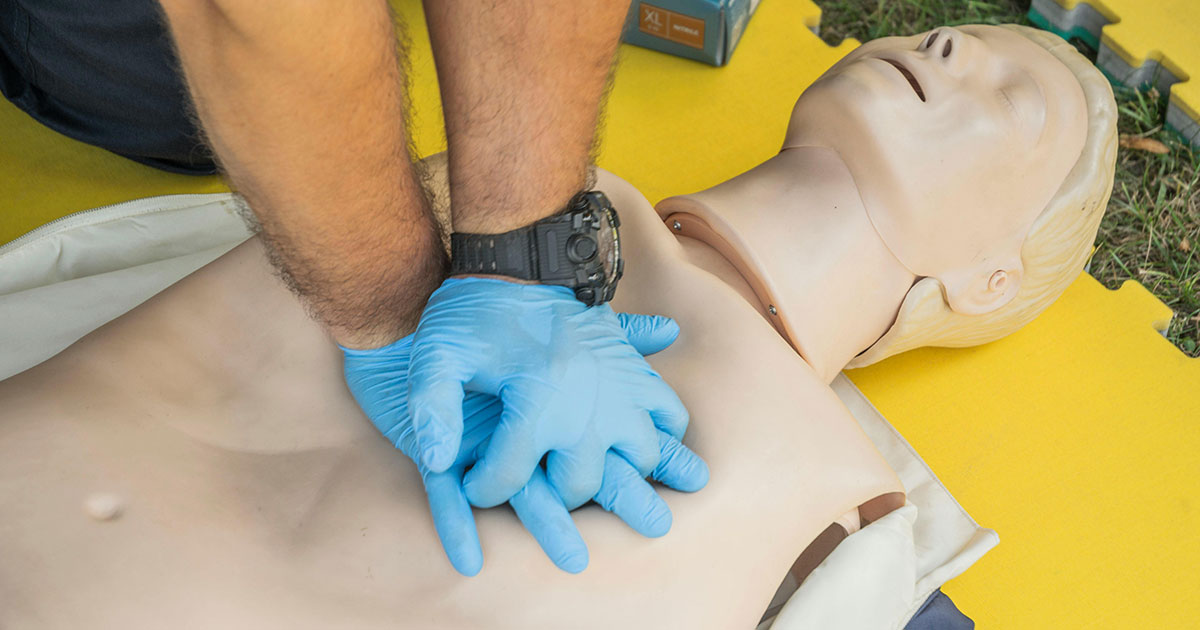
Understanding why CPR matters is important because cardiac emergencies happen without warning, and survival depends on how quickly someone nearby responds. It keeps blood flowing to the brain and vital organs, and this immediate support often becomes the only thing that keeps a person alive until professionals arrive. Because emergencies unfold in seconds, learning this procedure gives you the power to act confidently instead of freezing in fear.
What is CPR in Medical Terms and How It Works
In medical terms, it means cardiopulmonary resuscitation. CPR uses chest compressions and, when trained responders assist, rescue breaths that help maintain blood flow and oxygen movement when the heart stops. When the heart fails to pump, oxygen delivery stops instantly, and the brain begins to suffer damage within minutes. This procedure keeps vital circulation going and buys lifesaving time until defibrillation or advanced care restores normal heart function.
Many people still hesitate because they assume only medical professionals can help. However, the body needs immediate support long before an ambulance arrives. CPR turns a bystander into an active lifesaver.
1. Saves Lives When Every Second Counts
Sudden cardiac arrest causes the heart to stop pumping blood. Without quick action, the brain and organs start to shut down. This is exactly why CPR is important when every second matters. This life-saving procedure keeps blood flowing, and as a result, survival rates rise significantly when bystanders start compressions quickly.
Most cardiac arrests occur outside hospitals, often at home. When you know CPR, you serve as the first responder, and your action directly influences whether a person survives long enough to reach advanced medical care.
2. Protects the Brain From Lasting Damage
The brain needs continuous oxygen. Without CPR, irreversible brain injury can occur within minutes. Strong, consistent chest compressions help maintain limited but critical blood flow. This slows down brain damage and gives emergency teams a crucial chance to revive the heart.
Since the brain determines long-term recovery, this procedure not only saves a life but also preserves the person’s ability to return to normal daily activity.
3. Helps You Take Action Instead of Panicking
People freeze in emergencies simply because they do not know what to do. CPR training gives you the skills and confidence to act fast. You recognize the signs, respond immediately, and stay focused until help arrives.
Because many cardiac arrests occur in front of family members, co-workers, or bystanders, having trained individuals nearby dramatically improves survival. This underscores why CPR is important for every household, workplace, and community.
4. Improves Recovery and Long-Term Outcomes
This procedure does more than help someone survive. It increases the chances of a stronger recovery. When oxygen continues to reach the brain, even in small amounts, the person may avoid severe long-term disability.
This benefit highlights why is CPR important for maintaining not just life, but quality of life. Families often face fewer emotional and medical challenges when this procedure supports the brain and organs.
5. Training Prepares You to Help Anyone, Anywhere
This procedure applies to adults, children, and infants. Training helps you learn how to adjust your technique properly for every age group. You also learn how to respond to drowning events, choking, collapsing athletes, and traumatic incidents. Communities with more trained citizens see dramatically higher survival rates.
When to Perform CPR
Knowing when to perform this procedure removes hesitation. Start immediately when someone:
- Collapses suddenly
- Becomes unresponsive
- Does not breathe or only gasps
Call emergency services and begin compressions without delay. The brain cannot afford even a short pause in oxygen.
Final Thoughts
Learning CPR prepares you to step forward with confidence when a cardiac emergency strikes. It strengthens communities, protects families, and saves lives. Because emergencies can happen anywhere, knowing why is CPR important ensures you never stand by helplessly when someone needs immediate support.
FAQs
Why should everyone learn CPR?
Everyone should understand why is CPR important because emergencies often occur before medical professionals arrive. This procedure supports survival, protects brain function, and gives families and communities stronger safety.
Karachi: A free orthopedic medical camp was successfully organized at Usman Memorial Hospital, where patients received comprehensive guidance and consultation regarding knee and hip joint replacement.
Specialized orthopedic surgeons examined the patients in detail and provided awareness about modern treatment procedures. Dozens of patients benefitted from the camp and learned about the best treatment options according to their medical conditions.
According to the hospital administration, the purpose of such camps is to provide the public with easy access to quality healthcare facilities so that patients suffering from bone and joint problems can receive timely consultation and move towards better health.
Patients and their families appreciated the initiative of Usman Memorial Hospital, stating that the free consultation helped them receive accurate guidance regarding their medical issues, which proved highly beneficial for them.
Karachi: On the occasion of World Children’s Day, Usman Memorial Hospital organized a special health camp dedicated to the well-being and care of children.
During the event, the hospital administration arranged various welfare activities for parents and children, including the provision of medicines, free gifts, and specially designed diet charts for children.
Pediatric specialists conducted free medical check-ups and provided parents with guidance on children’s health, nutrition, and immunization.
A large number of parents appreciated the initiative, stating that such programs play a vital role in promoting children’s health.
According to the hospital administration, the welfare and well-being of children is their top priority, and the purpose of organizing such camps is to raise awareness about healthy childhood development in society.
The hospital further stated that this camp is organized annually in connection with World Children’s Day.