
Warning: mysqli_query(): (HY000/1021): Disk got full writing '.(temporary)' (Errcode: 28 "No space left on device") in /home/umhcom/public_html/wp-includes/class-wpdb.php on line 2351
2026 Archives - Page 2 of 2 - Usman Memorial Hospital
Blood Glucose Tests and Normal Blood Glucose Levels

Blood Glucose Tests and Normal Blood Glucose Levels

Maintaining normal blood glucose levels forms the foundation of metabolic health. Glucose supplies energy to every organ; however, sustained elevation injures blood vessels, nerves, kidneys, retina, and the heart. Conversely, very low levels impair brain function and can cause loss of consciousness. Accurate testing, precise interpretation, and timely intervention protect patients from preventable complications and allow clinicians to detect diabetes at an early stage.

Core Diabetes or Sugar Tests Used in Clinical Practice

Modern laboratories rely on standardized diagnostic criteria to determine whether a patient maintains normal blood glucose levels.

Note: Reference ranges might vary depending on the standards provided by the evaluating body. Figures provided below are taken from the WHO for educational purposes and must not be used to interpret results.

1. Fasting Plasma Glucose

Measured after at least eight hours without caloric intake.

CategoryFasting Value (mg per dL)
Normal70 to 99
Prediabetes100 to 125
Diabetes126 or higher on two separate tests

2. Oral Glucose Tolerance Test

Assesses the body’s response two hours after consuming a measured glucose load.

Category2 Hour Value (mg per dL)
NormalBelow 140
Impaired Tolerance140 to 199
Diabetes200 or higher

3. Random Plasma Glucose

A reading of 200 mg per dL or higher, along with classic symptoms, supports a diagnosis of diabetes.

4. HbA1c Test

This test reflects the average sugar concentration over two to three months. The hba1c test normal range remains below 5.7 percent. Values between 5.7 and 6.4 percent indicate increased risk, while 6.5 percent or higher confirms diabetes when repeated under appropriate clinical conditions.

Reference Ranges Vary with Age

The normal blood sugar levels chart for adults often varies from that of children due to differences in metabolism. Normal blood sugar ranges are generally more stringent for adults than for children to minimize long-term cardiovascular risks, whereas children’s targets are often slightly higher to prevent dangerous episodes of hypoglycemia (low blood sugar) during growth.

For readers reviewing a normal blood sugar levels chart by age, it is important to note that diagnostic thresholds remain largely consistent across adult age groups. Physicians adjust therapeutic goals, not diagnostic cutoffs, according to overall health status.

When to see a Doctor

Common symptoms of high blood glucose that require immidiate medical evaluation include:

Severe hyperglycemia may cause nausea, abdominal discomfort, or confusion. On the other hand, hypoglycemia can trigger sweating, tremors, dizziness, palpitations, or fainting. Immediate medical assessment restores stability and helps re-establish normal blood glucose levels safely.

Practical Measures to Maintain Healthy Control

Lifestyle modification directly influences whether patients sustain normal blood glucose levels.

1. Balanced Nutrition

Emphasize whole grains, legumes, vegetables, lean protein, nuts, and controlled fruit portions. Limit refined carbohydrates and sweetened beverages.

2. Structured Physical Activity

Engage in at least 150 minutes of moderate aerobic activity weekly. Add resistance training to improve insulin sensitivity.

3. Weight Optimization

Even modest weight reduction improves regulation significantly.

4. Adequate Sleep and Stress Regulation

Chronic sleep deprivation and persistent stress elevate cortisol, which increases blood sugar.
Frequently Asked Questions

Q: What fasting value confirms a healthy control?
A: A fasting result between 70 and 99 mg per dL indicates appropriate regulation in most adults.
Q: What does the HbA1c result truly represent?
A: The percentage reflects average glucose exposure over approximately three months. The HbA1c test normal range remains below 5.7 percent for individuals without diabetes.
Q: Do older adults follow different diagnostic criteria?
A: Diagnostic thresholds remain the same; however, clinicians may adjust treatment goals to reduce hypoglycemia risk.
Q: Can prediabetes return to normal?
A: Yes. Weight reduction, regular exercise, and dietary improvement often restore normal blood glucose levels when intervention occurs early.
Common Liver Disease and Conditions – When to see a Doctor

Common Liver Disease and Conditions – When to see a Doctor

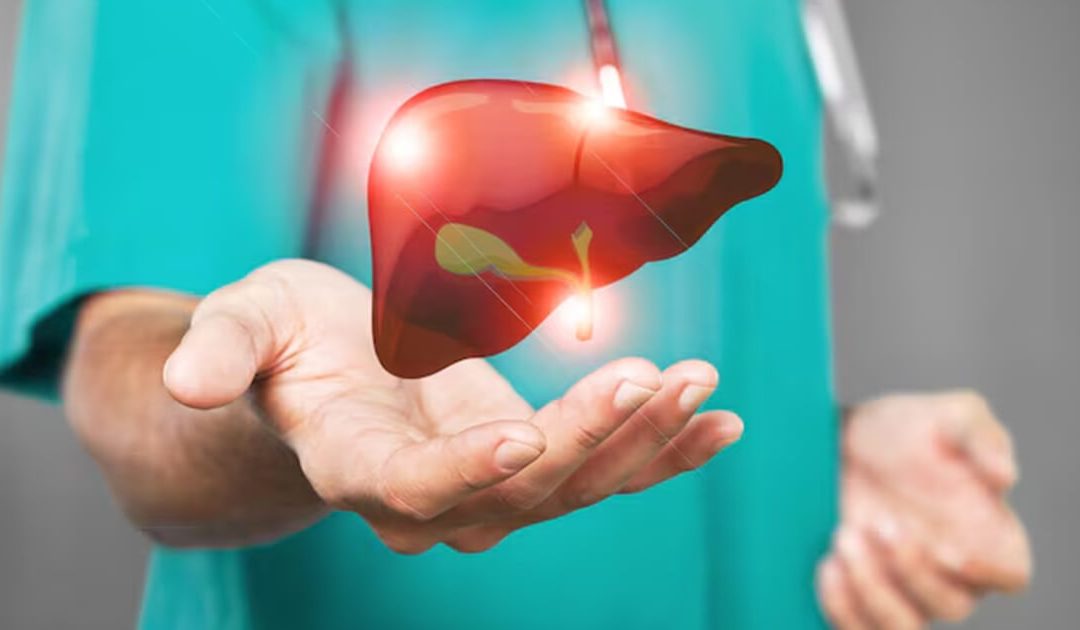
An organ that performs more than 500 vital functions, including detoxification, metabolism, digestion, and nutrient storage. When liver disease develops, these essential processes begin to slow down or fail, affecting the entire body. Early recognition and timely medical care significantly improve outcomes. Therefore, understanding common liver conditions, identifying warning symptoms, and knowing when professional evaluation becomes necessary can protect long-term health.

Understanding the Burden of Liver Conditions

Chronic liver disease continues to rise due to viral infections, metabolic disorders, obesity, and alcohol related injury. Hepatitis B and C infections remain major contributors to chronic liver damage. In addition, fatty liver disease has increased due to sedentary lifestyles and poor dietary habits. Because many disorders progress silently, individuals often ignore early warning signs.

The organ has remarkable regenerative capacity. However, repeated inflammation or toxic injury gradually leads to fibrosis, cirrhosis, and even failure. Consequently, regular health checkups and awareness of risk factors play a crucial role in preventing disease progression.

What Are the 4 Stages of Liver Disease?

Understanding disease progression helps individuals recognize the urgency of early intervention.

Stage 1: Inflammation

The liver becomes inflamed due to infection, fat accumulation, or toxins. Although damage remains mild, treatment at this stage prevents progression.

Stage 2: Fibrosis

Persistent inflammation leads to scar tissue formation. The organ still functions, but structural changes begin to appear.

Stage 3: Cirrhosis

Extensive scarring disrupts blood flow and liver architecture. Complications such as fluid accumulation and internal bleeding may develop.

Stage 4: Liver Failure

The organ loses its ability to perform essential functions. This stage requires urgent specialist care and may necessitate transplantation.

Early Signs and Symptoms to Watch

Many people overlook early warning indicators. However, recognizing the signs at an early stage prevents irreversible damage.

Common symptoms include:

  • Persistent fatigue and weakness
  • Loss of appetite
  • Nausea or vomiting
  • Mild abdominal discomfort in the right upper abdomen
  • Dark colored urine
  • Pale stools

Because these symptoms appear nonspecific, individuals frequently ignore them. Nevertheless, ongoing discomfort or unexplained fatigue warrants medical evaluation.

As damage progresses, more noticeable signs of liver disease may develop. These include yellowing of the skin and eyes, swelling in the legs, abdominal fluid accumulation, easy bruising, confusion, and persistent itching.

If any of these symptoms of liver problems persist for more than a few days or worsen, prompt consultation with a physician becomes essential.

Diagnostic Evaluation and Essential Blood Tests

Accurate diagnosis depends on laboratory testing and imaging studies. Doctors typically begin with blood tests to assess the complete function of the organ. Since patients frequently ask about the liver function test name used in routine evaluation. Common components in LFT include:

  • Alanine aminotransferase
  • Aspartate aminotransferase
  • Alkaline phosphatase
  • Bilirubin
  • Albumin

When to See a Doctor Immediately

While mild digestive discomfort may not require emergency care, certain symptoms demand urgent medical attention.

Seek medical help if you experience:

  • Sudden yellowing of skin or eyes
  • Severe abdominal swelling
  • Vomiting blood or passing black stools
  • Persistent high fever with abdominal pain
  • Sudden confusion or drowsiness.

These warning signals often indicate advanced liver disease or serious complications such as internal bleeding or failure.

Additionally, individuals with diabetes, obesity, hepatitis infection, or long-term medication use should undergo routine screening even without obvious symptoms. Physicians evaluate risk factors alongside clinical findings to detect disease at earlier stages.

Frequently Asked Questions

Q: What are the early warning indicators of liver damage?
A: Early fatigue, nausea, abdominal discomfort, and appetite loss often represent the initial signs. Because these symptoms overlap with other illnesses, medical testing confirms the diagnosis.
Q: What are the 4 stages of liver disease and can they be reversed?
A: Inflammation and early fibrosis may improve with treatment and lifestyle correction. However, cirrhosis requires specialized management and sometimes transplantation.
Q: Which blood tests check liver health?
A: Doctors usually order an LFT that includes ALT, AST, bilirubin, albumin, and a clotting profile.
Q: Are mild symptoms serious?
A: Even mild and persistent symptoms of liver problems deserve evaluation, particularly in individuals with risk factors.
Common Medical Emergencies: Warning Signs That Need Immediate Medical Attention

Common Medical Emergencies: Warning Signs That Need Immediate Medical Attention

Medical emergencies require immediate recognition and decisive action. Delays in care often lead to preventable complications, permanent disability, or death. Common medical emergencies affect people of all ages and can occur without warning, even in individuals with no known medical history. Hospitals and emergency departments consistently report that early identification of warning signs and prompt access to emergency medical care significantly improve survival rates and long term outcomes.

Understanding how to identify life threatening symptoms and acting without hesitation remain critical responsibilities for patients, caregivers, and bystanders.

What Is Considered a Medical Emergency?

A medical emergency involves any sudden illness or injury that poses an immediate risk to life, organ function, or neurological status. Clinicians classify situations as emergencies when symptoms appear abruptly, worsen rapidly, or compromise vital functions such as breathing, circulation, or consciousness.

Examples include severe chest pain, difficulty breathing, sudden weakness on one side of the body, uncontrolled bleeding, seizures, sudden confusion, or loss of consciousness. Even when symptoms appear mild initially, rapid deterioration can occur. Therefore, erring on the side of caution and seeking professional evaluation remains the safest approach.

Cardiac Emergencies and Stroke

Cardiac events and strokes represent some of the most critical common medical emergencies encountered in emergency departments. These conditions require immediate recognition and rapid escalation of care.

Common warning signs of a heart attack include:

  • Persistent chest pressure, tightness, or burning sensation
  • Pain radiating to the arm, neck, jaw, shoulder, or back
  • Shortness of breath or difficulty breathing
  • Nausea, vomiting, or cold sweats
  • Sudden dizziness or lightheadedness

Warning signs of a stroke include:

  • Facial drooping or asymmetry
  • Sudden weakness or numbness in the arm or leg, especially on one side
  • Slurred or difficult speech
  • Sudden vision loss or blurred vision
  • Acute confusion or difficulty understanding speech.

Because brain and heart tissue sustain irreversible damage within minutes, immediate emergency care is essential to preserve function and reduce mortality.

Severe Breathing Emergencies

Respiratory distress demands urgent medical evaluation. Asthma exacerbations, pneumonia, airway obstruction, and severe allergic reactions frequently result in common medical emergencies. Warning signs include rapid or labored breathing, chest tightness, wheezing, bluish discoloration of lips or fingertips, and inability to speak normally.

Anaphylaxis causes swelling of the throat and airway, leading to rapid oxygen deprivation. Without immediate emergency medical care, respiratory failure may occur. Any sudden or progressive breathing difficulty should never be managed at home.

Diabetic Emergencies and Blood Glucose Imbalance

Diabetes related complications remain a leading cause of emergency admissions. Diabetic emergency symptoms vary depending on whether blood sugar levels become dangerously high or dangerously low.

Signs of severe low blood sugar include:

  • Sweating and clammy skin
  • Tremors or shaking
  • Confusion or abnormal behavior
  • Blurred vision or headache
  • Seizures or loss of consciousness

Signs of severe high blood sugar include:

  • Extreme thirst and frequent urination
  • Vomiting or abdominal pain
  • Rapid or deep breathing
  • Fruity or acetone-like breath odor
  • Severe fatigue or drowsiness.

Failure to recognize diabetic emergency symptoms early increases the risk of coma, organ failure, and death. Immediate medical assessment and controlled correction of glucose levels are required to stabilize the patient safely.

Trauma, Injuries, and Uncontrolled Bleeding

Accidental injuries contribute significantly to common medical emergencies. Road accidents, falls, workplace injuries, and domestic incidents can result in fractures, head trauma, burns, and deep wounds. Heavy or uncontrolled bleeding leads rapidly to shock and requires urgent intervention.

Head injuries remain particularly dangerous because internal bleeding may occur without visible signs. Persistent headache, vomiting, confusion, drowsiness, or unequal pupils after trauma indicate a medical emergency that requires immediate emergency medical care.

What to Do in a Medical Emergency

Clear, structured action improves outcomes during emergencies. Every bystander or caregiver should follow essential response steps until professional help arrives.

Immediate actions to take include:

  • Ensure the environment is safe for both the patient and responders
  • Contact emergency services immediately and provide clear information
  • Check breathing and level of consciousness
  • Control bleeding with firm pressure if present
  • Keep the patient still, calm, and warm
  • Avoid giving food, drink, or medication unless instructed.

Knowing what to do in a medical emergency reduces panic, prevents harmful delays, and limits complications.

Reducing Risk Through Awareness and Preparedness

While not all emergencies can be prevented, awareness significantly reduces risk. Managing chronic illnesses, adhering to prescribed treatments, attending routine medical evaluations, and maintaining emergency contact information all contribute to safer outcomes.

Public awareness of common medical emergencies allows earlier recognition and faster response, ultimately strengthening community health resilience.

Frequently Asked Questions

Q: What symptoms require immediate hospital evaluation?
A: Chest pain, sudden shortness of breath, severe bleeding, seizures, sudden confusion, and loss of consciousness meet the criteria of a medical emergency and require urgent assessment.
Q: How quickly should diabetic emergencies be treated?
A: Immediately. Diabetic emergency symptoms can escalate rapidly and cause irreversible harm without prompt medical intervention.
Q: Can symptoms resolve on their own?

A: Temporary improvement does not eliminate risk. Many common medical emergencies fluctuate before worsening and still require evaluation.

Q: Why should emergency services be contacted instead of self transport?
A: Emergency responders initiate treatment immediately and alert hospitals in advance, ensuring faster access to emergency medical care.
Q: How does first aid help during emergencies?
A: First aid stabilizes patients while waiting for professionals. Knowing what to do in a medical emergency prevents deterioration and improves survival.
Mental Health Awareness: Breaking Stigma and Encouraging Timely Care

Mental Health Awareness: Breaking Stigma and Encouraging Timely Care

Mental well-being influences how people think, feel, work, and build relationships every day. Strong mental health awareness helps individuals recognize emotional challenges early, replace fear with facts, and seek timely care without hesitation. When communities understand psychological well-being as an essential part of overall well-being, they reduce preventable crises and support long term well-being.

What Is Mental Health Awareness And Why It Matters

It refers to recognizing psychological conditions, understanding early warning signs, and knowing when and where to seek professional help. More importantly, mental health awareness challenges harmful myths that portray psychological illness as weakness. Instead, it emphasizes that mental health conditions respond well to evidence based care. As awareness improves, individuals feel empowered to prioritize their emotional well-being just as they would physical health.

Breaking Stigma Through Knowledge and Conversation

Stigma remains one of the strongest barriers to care. Fear of judgment often delays help seeking, which allows symptoms to worsen. Mental health awareness counters stigma through accurate information, respectful language, and open conversations in homes, schools, workplaces, and communities. When people share experiences responsibly and leaders model empathy, silence gives way to understanding. As a result, early intervention becomes more common and recovery outcomes improve.

Recognizing the Types of Mental Illness

Understanding the types of mental illness allows people to identify symptoms accurately and respond appropriately. Common categories include anxiety disorders, mood disorders such as depression and bipolar disorder, trauma related disorders, psychotic disorders, substance use disorders, eating disorders, and neurodevelopmental conditions. Each condition presents distinct signs and requires tailored care. Awareness of psychological conditions prevents misinterpretation of behavior and promotes timely referral to trained professionals.

The Importance of Screening and Early Detection

Early identification plays a crucial role in recovery. A clinically validated mental health test and clinical evaluation help identify concerns related to stress, anxiety, mood changes, sleep problems, or substance use. Early detection reduces complications, improves treatment response, and minimizes disruption to daily life.

Encouraging Timely Care and Support Systems

Access to care improves when people understand available pathways and trust health services. Mental health awareness highlights options such as primary care consultations, counseling, psychiatric services, crisis support lines, and community based programs. Integrated care models further strengthen outcomes by addressing psychological well-being alongside physical health. Family members and caregivers also contribute by offering emotional support, reducing stigma, and encouraging treatment adherence.

Community Action and Global Awareness Efforts

Public engagement strengthens awareness at scale. World Mental Health Day serves as a global platform to promote education, advocacy, and access to psychological well-being services. Activities often include screenings, workshops, policy discussions, and outreach programs. These initiatives extend awareness beyond a single day and help normalize psychological well-being conversations throughout the year.

Practical Steps for Individuals and Families

Every person can take meaningful action. Learn early warning signs, schedule routine emotional check-ins, and seek help at the first sign of distress. See a credible practitioner when concerns arise, and follow professional guidance. Encourage loved ones with empathy and patience. Through consistent mental health awareness, individuals replace delay with informed action and sustained support.

Frequently Asked Questions

Q: What is mental health awareness?
A: It involves understanding psychological well-being as part of overall well-being, recognizing early signs of distress, and accessing appropriate care while reducing stigma.
Q: How often should someone take a mental health test?
A: Screening proves most useful during periods of stress, life transitions, or symptom changes, followed by professional evaluation when needed.
Q: Which types of mental illness most commonly affect daily functioning?
A: Anxiety disorders, depressive disorders, trauma related conditions, and substance use disorders frequently impact daily life, yet effective treatment can significantly improve functioning.
Influenza Causes and How Long Does it Last?

Influenza Causes and How Long Does it Last?

Influenza affects millions of people every year and places a significant burden on families, workplaces, and healthcare systems. Understanding influenza causes helps people recognize risks early and take timely action. Although many confuse it with a common cold, this viral illness behaves differently, spreads faster, and often leads to more intense symptoms.

Seasonal outbreaks usually peak during colder months, when respiratory viruses survive longer and people spend more time indoors. As a result, transmission accelerates, and communities experience a sudden rise in fever-related illness.

What Is Influenza?

Influenza represents a contagious respiratory infection caused by influenza viruses. These viruses primarily target the nose, throat, and lungs. Unlike mild viral infections, influenza often begins abruptly and disrupts daily life within hours.

Healthcare professionals classify influenza viruses into types A, B, and C. Types A and B cause seasonal outbreaks, while type C causes milder illness and rarely triggers outbreaks.

Influenza Causes: How the Infection Begins

Understanding influenza causes requires a closer look at viral behavior. Influenza develops when influenza viruses enter the body and attach to cells lining the respiratory tract. After entry, the virus multiplies quickly and damages healthy cells. This process triggers inflammation and immune responses that lead to noticeable illness.

How Does the Flu Spread?

The virus mainly spreads through respiratory droplets. When an infected person coughs, sneezes, or talks, tiny droplets carrying the virus travel through the air and reach nearby individuals or reside on surfaces. Therefore, understanding how does the flu spread highlights the importance of hand hygiene and surface cleaning.

Flu Symptoms: Early and Progressive Signs

Recognizing flu symptoms early allows for timely rest and medical advice. Symptoms usually appear one to four days after exposure. Most people experience sudden-onset rather than gradual discomfort.

Common flu symptoms include:

  • High fever with chills
  • Headache and body aches
  • Severe fatigue and weakness
  • Dry cough and sore throat
  • Nasal congestion or runny nose

In addition, children may experience nausea or vomiting, although adults report these less frequently. Because symptoms intensify quickly, many individuals initially underestimate severity and delay care.

Difference Between Cold and Flu

Understanding the difference between cold and flu helps people respond appropriately. Although both affect the respiratory system, colds usually develop gradually and cause mild discomfort. Sneezing, a mild sore throat, and a runny nose are the most common symptoms of cold infections. Influenza starts abruptly and causes intense symptoms. Fever, body aches, and exhaustion disrupt normal functioning.

How Long Does Influenza Last?

The duration of influenza varies, but most healthy individuals recover within seven to ten days. Fever and body aches usually improve within three to five days. However, fatigue and weakness may persist for several weeks. Therefore, understanding influenza causes and recovery timelines encourages patience and proper care..

Complications of Influenza

While many recover without issues, complications of influenza can arise, especially among vulnerable groups. These complications occur when the virus weakens the immune system or worsens existing conditions.

Common complications of influenza include:

In severe cases, hospitalization becomes necessary. Therefore, early medical evaluation reduces the risk of long-term health consequences.

When to Seek Medical Attention

Most people manage influenza at home, but certain symptoms require professional care. Persistent high fever, difficulty breathing, chest pain, or confusion signal potential complications. Children who refuse fluids or show extreme lethargy also need immediate evaluation.

Timely intervention prevents illness from worsening and supports a faster recovery. This can only be achieved by proper awareness about influenza causes and outcomes.

Frequently Asked Questions 


Q: How quickly do flu symptoms appear after exposure?

A: Symptoms usually appear within one to four days. Sudden fever and fatigue often mark the beginning of illness.

Q: How does the flu spread in everyday settings?
A: Close contact, shared surfaces, and crowded indoor spaces continue to be the primary contributors to the spread of flu in daily life.
Q: What is the key difference between cold and flu?
A: The difference between cold and flu lies in severity. Influenza causes sudden, intense symptoms, whereas colds tend to be milder and more gradual.
Q: How long should someone rest during influenza?
A: Rest should continue until the fever resolves and energy levels improve. Although major symptoms typically fade within a week, fatigue may persist for longer.

Warning: mysqli_query(): (HY000/1021): Disk got full writing '.(temporary)' (Errcode: 28 "No space left on device") in /home/umhcom/public_html/wp-includes/class-wpdb.php on line 2351