


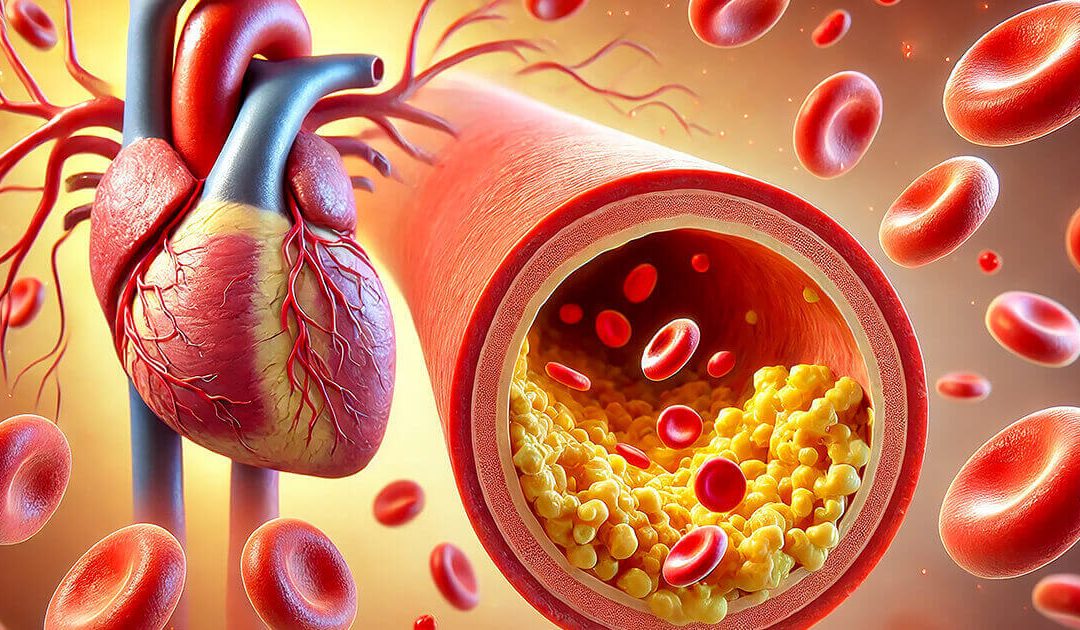
Maintaining optimal cholesterol levels is a cornerstone of cardiovascular health. A clear understanding of how to manage cholesterol allows individuals to reduce the risk of heart disease, stroke, and metabolic complications. Evidence-based lifestyle interventions remain the first-line strategy for improving lipid profiles and supporting long-term health outcomes. With structured and consistent changes, individuals can significantly improve cholesterol levels and overall well-being.
Understanding Cholesterol and Cardiovascular Risk
Cholesterol is a lipid essential for cellular function, hormone production, and vitamin synthesis. However, elevated levels, particularly low-density lipoprotein, contribute to atherosclerosis. This process involves plaque accumulation within arterial walls, leading to restricted blood flow and increased cardiovascular risk.
High-density lipoproteins (HDL) play a protective role by transporting excess cholesterol back to the liver for elimination. Effective management focuses on reducing low-density lipoprotein (LDL) levels while supporting high-density lipoprotein levels.
Evidence-Based Dietary Modifications
Dietary intervention remains one of the most effective strategies for lowering cholesterol naturally. Clinical evidence consistently supports the role of nutrition in improving lipid profiles.
Incorporate Cardioprotective Foods
A diet rich in foods that help lower cholesterol can significantly reduce low-density lipoprotein levels. Key recommendations include:
- Soluble fiber sources, such as oats, barley, and legumes.
- Nuts, including almonds and walnuts, that provide unsaturated fats
- Fruits such as apples, citrus, and berries that contain pectin
- Vegetables, including leafy greens that support digestive health
- Fatty fish rich in omega-3 fatty acids that improve lipid balance.
Replacing saturated fats with unsaturated fats is equally important. Use plant-based oils such as olive oil and choose lean protein sources, including poultry and fish.
Limit Atherogenic Foods
Reducing intake of trans fats, processed foods, and refined carbohydrates is essential. These dietary components increase low density lipid and contribute to systemic inflammation. Limiting sugary beverages and commercially baked products further supports lipid control.
Weight Management and Metabolic Health
Excess body weight is strongly associated with dyslipidemia. Even modest weight reduction improves cholesterol parameters and reduces cardiovascular risk. Therefore, one of the most effective natural ways to control cholesterol involves achieving a healthy body weight through sustainable dietary practices and portion control.
Structured meal planning, combined with balanced macronutrient intake, supports metabolic stability and long-term adherence.
Physical Activity and Lipid Regulation
Regular physical activity plays a critical role in reducing bad cholesterol. Exercise increases HDL while reducing LDL and triglycerides.
Clinical guidelines recommend at least 150 minutes of moderate-intensity aerobic activity per week. Activities such as brisk walking, cycling, and swimming provide measurable cardiovascular benefits. Resistance training further enhances metabolic function and supports weight management.
Incorporating movement throughout the day, including walking breaks and reduced sedentary time, further contributes to improved outcomes.
Tobacco Cessation and Alcohol Moderation
Smoking accelerates atherosclerosis and reduces protective high-density lipoprotein cholesterol. Smoking cessation leads to rapid improvements in vascular function and overall cardiovascular health.
Excessive alcohol consumption contributes to elevated triglyceride levels and metabolic imbalance. Limiting intake supports better cholesterol control and reduces associated health risks.
Stress Management and Sleep Optimization
Chronic stress contributes to hormonal imbalance and unhealthy behavioral patterns, which negatively impact cholesterol levels. Effective stress management is therefore an essential component of how to manage cholesterol.
Evidence-based approaches include mindfulness practices, structured relaxation techniques, and regular physical activity. In addition, maintaining consistent sleep patterns supports metabolic regulation and cardiovascular health.
Long Term Monitoring and Preventive Care
Sustained success in managing cholesterol requires regular monitoring and professional evaluation. Periodic lipid profile testing enables early detection of abnormalities and guides treatment decisions.
Individuals with additional risk factors, including hypertension or diabetes, require closer monitoring and a more structured management approach. Integrating lifestyle changes with clinical guidance ensures optimal outcomes.
Conclusion
A structured, evidence-based approach to managing cholesterol provides measurable and sustainable health benefits. Dietary optimization, regular physical activity, weight management, and risk factor modification collectively improve lipid profiles and reduce cardiovascular risk. With consistent adherence and appropriate monitoring, individuals can achieve long-term control and improved quality of life.
If the symptoms are persistent, it is highly recommended to consult your cardiologist or physician so that the doctor can take the best course of action according to your condition.