Understanding the signs and symptoms of stroke is absolutely vital because, quite frankly, rapid recognition saves brain tissue, function, and even lives. In simple and straightforward terms, this guide carefully explains what to watch for, why fast action matters, and how to respond immediately if you suspect someone is having a stroke. Above all, remember: this can happen to anyone, anytime, and anywhere, so knowing the warning signs truly makes you a potential lifesaver.
What is a stroke?
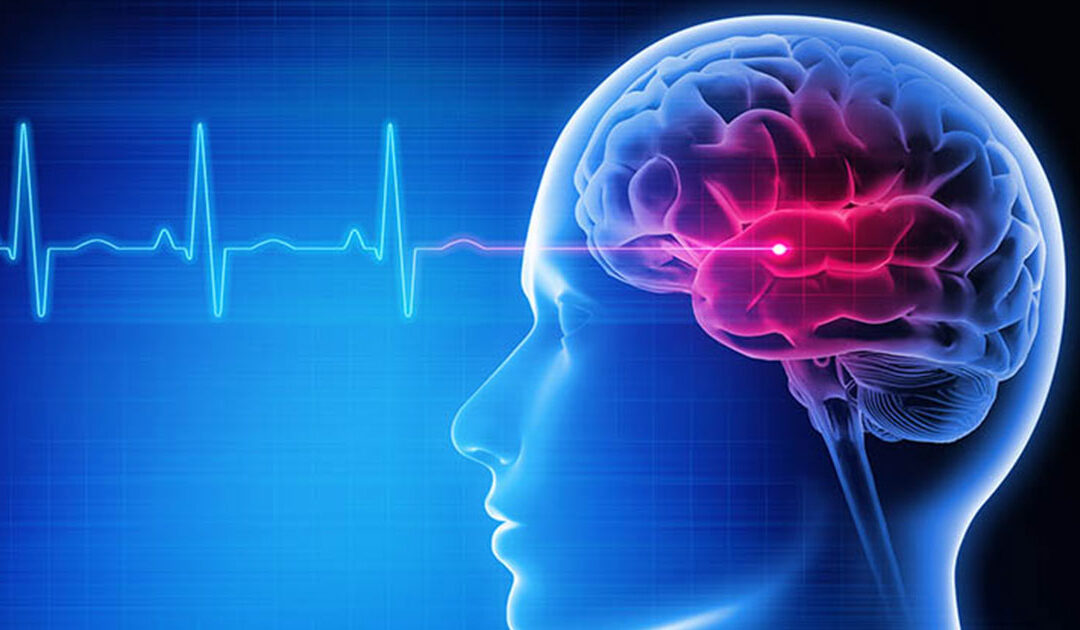
A stroke occurs when blood flow to part of the brain is interrupted or when a blood vessel in the brain bursts. Consequently, brain cells begin to die within minutes. Therefore, recognizing brain stroke symptoms early and acting quickly can significantly improve recovery and reduce long-term disability. In addition, early medical attention greatly increases the likelihood of saving brain function and restoring quality of life.
The most common warning signs
To begin with, use the F.A.S.T. method to recall the core signs easily and effectively:
- F — Face drooping: One side of the face may droop or feel numb. Therefore, ask the person to smile; if one side droops, this is a clear warning sign.
- A — Arm weakness: One arm may drift downward when both arms are raised. Moreover, weakness or numbness on one side is typical.
- S — Speech difficulty: Speech may be slurred, garbled, or the person may be unable to speak or understand simple sentences.
- T — Time to call emergency services immediately.
Additionally, other important symptoms include sudden numbness or weakness in the leg, hand, or face, especially on one side of the body. You may also notice sudden trouble seeing in one or both eyes or double vision. Furthermore, dizziness, loss of balance, or severe coordination problems may appear suddenly. Lastly, a severe headache with no known cause, sometimes accompanied by vomiting or altered consciousness, should never be ignored.
How to identify a stroke quickly
Identifying this condition means paying close attention to sudden and unexplained changes. First and foremost, check for the F.A.S.T. signs. Next, look for other abrupt problems like sudden vision loss or a severe headache. If symptoms appear suddenly and even if they seem to improve within minutes (as can happen with a transient ischemic attack), you should still call emergency services right away. Because every passing minute counts, never delay. Moreover, note the time symptoms began and tell responders, that single detail can help doctors decide the best treatment approach.
Risk factors of stroke (who is at higher risk?)
Understanding the risk factors of stroke helps you take meaningful steps toward prevention. Common risk factors include high blood pressure, which is the single biggest controllable risk, as well as smoking, diabetes, high cholesterol, atrial fibrillation, and other heart conditions. In addition, obesity, physical inactivity, excessive alcohol use, and certain drug use further increase the risk. Moreover, while older adults are more likely to experience this attack, younger people are not immune. Family history and specific genetic conditions can also contribute. Therefore, it is crucial to manage these risks through lifestyle changes and medical care.
Furthermore, certain social and health disparities raise attack risk within specific communities. Consequently, prevention should always focus on controlling medical conditions and adopting healthy lifestyle habits.
Why early diagnosis matters
The importance of early stroke diagnosis cannot be overstated. In fact, rapid diagnosis allows doctors to offer treatments that directly reduce brain damage. For instance, clot-busting drugs (thrombolytics) may be effective if given within a narrow time window from symptom onset. Moreover, some patients qualify for mechanical clot removal (thrombectomy) when treated quickly. As a result, early recognition and transportation to a hospital with stroke expertise can dramatically improve the chances of recovery.
What to do if you suspect a stroke
If you ever suspect a stroke, you must act immediately. First, call your local emergency number without hesitation. While you wait for help, note the exact time symptoms started and share that information with emergency staff. Additionally, keep the person awake and comfortable, but do not give food, drink, or medication unless directed by professionals. If trained and necessary, perform CPR only if the person is unresponsive and not breathing normally. Above all, remain calm and reassure the person because sudden symptoms can be extremely frightening. Do not drive the person yourself unless emergency services advise otherwise, professional care en route to the hospital can make all the difference.
Transient ischemic attacks: warning, not mild
A transient ischemic attack (TIA), often called a “mini-stroke” causes stroke-like symptoms that resolve within 24 hours, usually within minutes. However, although the symptoms may fade, a TIA is a serious warning sign. Consequently, anyone who experiences a TIA should seek immediate medical evaluation because the risk of a major attack is much higher in the hours and days that follow. In short, never ignore a TIA.
How stroke is diagnosed in hospital
When someone arrives at the hospital with suspected stroke, clinicians move swiftly to assess the situation. They use imaging tests such as CT or MRI scans, along with blood work, to determine whether the attack is ischemic (caused by a clot) or hemorrhagic (caused by bleeding). Therefore, accurate diagnosis ensures safe and effective treatment. Moreover, modern centers now assess eligibility for advanced treatments such as clot-removing procedures and create personalized care plans for recovery.
Preventing stroke: Practical steps
Preventing stroke is highly possible when we actively reduce the risk factors of stroke and manage existing health conditions. To do this effectively:
- Control blood pressure and cholesterol with both lifestyle adjustments and medications when necessary.
- Stop smoking immediately and limit alcohol intake.
- Manage diabetes carefully with proper diet, regular exercise, and prescribed medications.
- Maintain a healthy weight and stay physically active.
- Treat atrial fibrillation or other heart conditions as advised by a doctor.
- Eat a balanced diet rich in fruits, vegetables, whole grains, and lean proteins.
Additionally, regular check-ups and following medical advice are essential. Over time, these habits significantly reduce the risk of future strokes and improve overall heart health.
Common myths and clarifications
- Myth: Strokes only affects older people.
Fact: While risk increases with age, strokes can occur in younger adults and even children.
- Myth: If symptoms go away, it wasn’t a stroke.
Fact: Temporary symptoms may indicate a TIA, which still requires urgent medical care.
- Myth: Strokes always causes severe long-term disability.
Fact: Outcomes vary; early diagnosis and prompt treatment greatly increase the chance of full recovery.
Conclusion
Recognizing the signs and symptoms of stroke promptly, knowing how to identify a stroke, are vital steps that save lives. Moreover, awareness combined with quick action not only reduces long-term disability but also increases the likelihood of full recovery. Ultimately, by learning the warning signs, managing the risk factors of stroke, and responding without delay, we can protect ourselves and those we love from the devastating impact of the attack.
FAQs
Q: What are the earliest signs and symptoms of stroke?
A: The earliest signs often include sudden face drooping, arm weakness, and speech difficulty (F.A.S.T.), along with sudden vision trouble, severe headache, dizziness, or confusion.
Q: How fast should I act if I suspect a stroke?
A: Immediately. Call emergency services at once and note the exact time symptoms began. Early intervention can save both life and brain function.
Q: Can strokes be prevented?
A: Yes. Many strokes are preventable through controlling blood pressure, managing diabetes and cholesterol, quitting smoking, staying active, and following your doctor’s guidance.
Q: Are there long-term treatments after a stroke?
A: Rehabilitation, including physical, occupational, and speech therapy, plays a key role in recovery. In addition, medications and lifestyle changes help prevent recurrence.
Q: What are less obvious brain stroke symptoms?
A: Less obvious signs include sudden confusion, memory problems, slight weakness on one side, unexplained dizziness, or sudden difficulty seeing.
When chest pain strikes or breathing becomes labored, fear can overwhelm rational thinking. Moreover, understanding the difference between heart attack and cardiac arrest becomes crucial in those terrifying moments when every second counts. These two severe heart conditions often get confused, yet they require different responses and have vastly different outcomes.
However, knowledge truly is power when it comes to heart health. In fact, recognizing the distinct signs and symptoms can mean the difference between life and death for someone you love. Meanwhile, this guide will walk you through the key differences between heart attack and cardiac arrest, helping you feel more confident and prepared.
Furthermore, we’ll explore what each condition means, how to recognize the warning signs, and most importantly, what immediate actions can save lives.
What Exactly Is a Heart Attack?
The attack occurs when blood flow to a section of the heart muscle becomes blocked, typically by a blood clot or plaque buildup in the coronary arteries. Think of it as a plumbing problem in your heart’s blood vessels. Moreover, unlike cardiac arrest, the heart usually continues beating during an attack, though it struggles to get the oxygen it desperately needs.
Its symptoms often develop gradually and may include intense chest pressure, radiating pain to the arms or jaw, and shortness of breath. However, women may experience different symptoms, including nausea, unusual fatigue, or back pain. Furthermore, some people experience what doctors call “silent heart attacks” with minimal or no apparent symptoms.
The critical factor with heart attacks is time. In fact, the longer the heart muscle goes without oxygen-rich blood, the more permanent damage occurs. Therefore, seeking immediate medical attention becomes absolutely essential for the best possible outcome.
Understanding Cardiac Arrest
Cardiac arrest is a totally different emergency. Meanwhile, this occurs when the electrical system malfunctions. This makes it stop beating well or stop completely. Moreover, unlike an attack where blood flow is the main issue, cardiac arrest comes from electrical problems inside the organ itself.
Cardiac arrest symptoms show up fast and without warning. The person usually falls down. They lose consciousness right away. They stop breathing normally. Furthermore, you won’t find a pulse. In fact, the cardiac arrest definition centers on this total stop of working. This makes it a real medical emergency that needs quick help.
Signs of cardiac arrest include sudden collapse. No response. No normal breathing. However, sometimes brief warning signs may happen first. These include chest pain, feeling dizzy, or fast heartbeats. Nevertheless, when cardiac arrest hits, the person has only minutes before brain damage starts.
The Critical Connection Difference Between Heart Attack and Cardiac Arrest
While heart attacks and cardiac arrest are different conditions, they can be interconnected. Moreover, an attack can trigger cardiac arrest, particularly if the damage affects the heart’s electrical system. However, cardiac arrest can also happen without any prior attack. This often stems from other issues, such as enlarged muscles or inherited electrical disorders.
Furthermore, people often ask, “can you die instantly from a heart attack?” The answer involves understanding this link. While attacks themselves rarely cause quick death, they can lead to cardiac arrest. This can indeed kill within minutes without fast treatment.
Therefore, both problems need urgent medical help because a prompt response makes a lot of difference. Meanwhile, understanding these differences helps you provide the best initial care while waiting for emergency medical services.
Recognizing the Warning Signs: What Your Body Is Telling You
Heart Attack Warning Signs:
- Persistent chest pain or pressure
- Pain radiating to arms, neck, jaw, or back
- Shortness of breath
- Cold sweats
- Nausea or vomiting
- Unusual fatigue, especially in women
Cardiac Arrest Symptoms:
- Sudden collapse
- Loss of consciousness
- No normal breathing
- No detectable pulse
- Sometimes preceded by chest pain, dizziness, or palpitations
Moreover, trust your gut. If something feels very wrong, don’t wait to call emergency services. Furthermore, remember that attack symptoms can vary significantly between individuals. They may grow over hours or even days.
Taking Immediate Action: Every Second Counts
For Heart Attack
Call emergency services right away (15 for Edhi or 1122 for Rescue). Do this even if you’re not sure. Meanwhile, have the person sit down and stay calm. However, if they have been given nitroglycerin, help them take it as told. Furthermore, if they’re not allergic, think about giving them an aspirin to chew slowly.
For Cardiac Arrest
Call emergency services (15 for Edhi or 1122 for Rescue) and begin CPR immediately. Moreover, if an automated external defibrillator (AED) is nearby, use it as soon as you can. However, don’t be scared to start CPR even if you’re not perfectly trained. In fact, hands-only CPR can double or triple survival chances.
Therefore, quick action saves lives. Meanwhile, emergency medical services can give advanced life support. This dramatically improves results for both problems.
Prevention: Your Heart’s Best Defense
Meanwhile, both heart attacks and cardiac arrest often share common risk factors. Therefore, managing problems like high blood pressure, diabetes, and high cholesterol is key to prevention. Moreover, lifestyle changes help a lot. These include regular exercise, a healthy diet, and avoiding tobacco products.
Furthermore, regular check-ups with your doctor help find potential problems. This happens before they become emergencies. However, if you have a family history of disease or sudden cardiac death, genetic counseling and special testing may give valuable insights about your personal risk factors.
Conclusion
Understanding the difference between heart attack and cardiac arrest empowers you to respond appropriately when every second matters. Knowledge transforms fear into confident action that can save lives.
Are you feeling uncertain about what to put on your plate after being diagnosed with diabetes or prediabetes? It’s a common worry. Many people feel anxious that every bite might push blood sugar too high or increase long-term risks. The truth is, food can be one of your strongest tools for managing diabetes. A carefully designed diet plan for diabetic patients doesn’t just regulate blood sugar, it also protects the heart, supports a healthy weight, and helps you feel more in control.
At UMH, we believe that food should heal and empower, not overwhelm. With the proper guidance, a diabetic-friendly diet can become a simple, enjoyable part of daily life.
Why a Thoughtful Eating Plan Matters
When you live with diabetes, every meal influences your body’s balance. Eating extra calories or processed carbs can push blood sugar higher than it should be, while steady, nutrient-rich meals help keep it in a safe range. Over time, this balance protects you from serious complications like nerve damage, kidney problems, and heart disease.
For people with prediabetes, the message is just as important. The right choices can actually delay or prevent the onset of type 2 diabetes. In both cases, a healthy plan gives you something priceless: control over your future.
Core Principles of a Healthy Diet Plan for Diabetic Patients
1. Build Your Plate with Balance
The plate method is simple and effective:
- ½ plate: Non-starchy vegetables (spinach, broccoli, peppers, carrots).
- ¼ plate: Lean proteins (chicken, fish, tofu, eggs).
- ¼ plate: Quality carbohydrates (brown rice, quinoa, beans, sweet potato).
- Add a small portion of healthy fats (avocado, olive oil, nuts).
2. A Practical Daily Plan
To make these ideas easier to follow, here’s an example of a diabetic diet chart with calories designed around a 1,600-calorie day:
- Breakfast: A slice of whole-grain toast with avocado, one boiled egg, and a small serving of Greek yogurt with berries.
- Lunch: Grilled salmon with a half cup of quinoa, steamed broccoli and carrots, and a light salad with olive oil and lemon.
- Dinner: Skinless chicken breast, a small baked sweet potato, and sautéed spinach.
- Snacks: An apple with almonds, or carrot sticks with hummus.
This type of plan balances protein, fiber, and healthy carbs. Portion sizes can be adjusted depending on age, activity, and personal health goals.
2. Choose the Right Carbohydrates
Carbohydrates aren’t the enemy, it’s about picking the right kind and portion.
- Include: whole grains, beans, lentils, whole fruits, and low-fat dairy.
- Limit: white bread, pastries, sweetened drinks, and heavily processed snacks.
3. Fiber for Steady Blood Sugar
Aim for 25–38 grams of fiber daily. Fiber slows digestion and helps prevent sugar spikes.
- Best sources: beans, lentils, vegetables, nuts, chia seeds, whole fruits.
4. Protein for Strength and Satiety
Protein supports muscle and keeps you feeling full.
- Include: chicken, fish, eggs, Greek yogurt, tofu, beans.
- Limit: fatty red meats, processed meats (like bacon or sausage).
5. Healthy Fats Protect the Heart
Focus on unsaturated fats:
- Include: olive oil, canola oil, nuts, seeds, avocado, salmon, sardines.
- Avoid: fried foods, trans fats, palm oil, butter-heavy meals.
Foods to Avoid for Better Blood Sugar and Heart Health
Because diabetes increases the risk of heart disease, certain foods should be minimized:
- Saturated fats: high-fat dairy, fatty meats, butter.
- Trans fats: packaged baked goods, margarine sticks.
- High sodium foods: processed meats, instant noodles, canned soups.
- Sugary desserts and drinks: cakes, candies, sodas.
Diet Plan for Diabetic Patient with Calories (Sample Day: 1,600 kcal)
Here’s a practical food chart for diabetic patients you can adapt with your dietitian:
Breakfast (350 kcal):
- 1 slice whole-grain toast with avocado (80 g).
- 1 boiled egg.
- ½ cup unsweetened Greek yogurt with berries.
Snack (150 kcal):
- 10 almonds + 1 small apple.
Lunch (450 kcal):
- Grilled salmon (100 g).
- 1 cup steamed broccoli + carrots.
- ½ cup quinoa (cooked).
- Side salad with olive oil–lemon dressing.
Snack (150 kcal):
- Carrot sticks with hummus.
Dinner (500 kcal):
- Grilled chicken breast (120 g).
- 1 small baked sweet potato.
- 1 cup sautéed spinach.
This diabetic diet plan balances calories, protein, carbs, and healthy fats while keeping portions realistic.
Pre-Diabetic Diet Chart: Prevention Through Nutrition
If you’re living with prediabetes, the structure is similar, but prevention is the focus. A pre diabetic diet chart often includes:
- Breakfast: Oatmeal with flaxseeds and berries.
- Lunch: Whole-grain wrap with grilled chicken and mixed vegetables.
- Snack: A handful of walnuts.
- Dinner: Stir-fried vegetables with tofu and brown rice.
Minor adjustments like these can lower blood sugar, reduce weight gain, and keep diabetes at bay.
A diet plan for diabetic patients is more than a meal guide, it’s a roadmap to better health, improved energy, and a stronger heart. The right food choices can transform your future. If you’re ready for peace of mind, UMH’s expert team is here to help you build a plan that works for your body and your life.
Frequently Asked Questions (FAQs)
Q: What is the best diet for a diabetic person?
A: The diet should focus on non-starchy vegetables, whole grains, lean proteins, and healthy fats, meanwhile avoiding carbonated drinks, processed and sugary foods.
Q: What should people with diabetes not eat?
A: As discussed earlier in the blog, avoid food that contains sugar, unhealthy fats, and fried items because these can disrupt the blood, negatively impact cholesterol and blood pressure.
Q: What are the best tips for diabetic patients to maintain lifestyle?
- Quit smoking
- Commit to following your scheduled diet
- Keep your BP and cholesterol under control
- Don’t miss your checkups
- Don’t forget about injecting insulin
Low blood pressure, also known as hypotension, can cause dizziness, fatigue, and even fainting spells. While many people worry about high blood pressure, low blood pressure can also be a serious concern if left unmanaged. The good news? Diet plays a key role in stabilizing your blood pressure levels.
In this guide, we’ll explore what to eat when blood pressure is low, provide an instant remedy for low blood pressure, explain which foods can help increase blood pressure immediately, and highlight foods to avoid for those with low blood pressure.
Understanding Low Blood Pressure
Blood pressure is the force of blood pushing against the walls of your arteries. Normal blood pressure usually measures around 120/80 mmHg. If your readings consistently fall below 90/60 mmHg, you may be dealing with hypotension.
Common symptoms include:
- Dizziness or lightheadedness
- Fainting (especially when standing quickly)
- Blurred vision
- Nausea
- Fatigue
Diet and hydration play a crucial role in managing these symptoms and preventing sudden drops in blood pressure.
What to Eat When BP Is Low
If you’re wondering what to eat when BP is low, the goal is to include foods that naturally raise blood pressure or help maintain healthy circulation. Here are some beneficial options:
1. Salty Foods
Sodium helps increase blood pressure by retaining fluids in the body. A small serving of salted nuts, pickles, or broth-based soup can help. However, consult your doctor if you also struggle with heart conditions.
2. Foods Rich in Vitamin B12
Deficiency in vitamin B12 can lead to anemia, which may lower blood pressure. Include eggs, fish, poultry, and fortified cereals in your diet.
3. Iron-Rich Foods
Iron helps your body produce healthy red blood cells. Add lean meats, leafy greens, beans, and lentils to your meals.
4. Caffeine in Moderation
Coffee and tea can temporarily raise blood pressure by stimulating your cardiovascular system. This makes caffeine a useful instant remedy for low blood pressure, but avoid excessive intake.
5. Hydrating Foods and Drinks
Dehydration is a common trigger of low blood pressure. Drink plenty of water and eat hydrating foods like cucumbers, oranges, and watermelon.
Food to Increase Blood Pressure Immediately
Sometimes, you need a quick fix when your blood pressure suddenly drops. Here are some foods to increase blood pressure immediately:
- A glass of water is a simple but effective way to treat dehydration-related hypotension.
- Salty snacks such as pretzels, salted peanuts, or olives can give an instant boost.
- Electrolyte drinks such as sports drinks can restore sodium and potassium balance quickly.
- Coffee or strong tea as caffeine, can temporarily elevate BP and reduce dizziness.
These remedies can provide short-term relief, but if low blood pressure happens frequently, it’s important to address the root cause.
Low Blood Pressure Foods to Avoid
Just as certain foods can help raise blood pressure, others may worsen symptoms. If you’re managing hypotension, try to limit or avoid the following:
- Alcohol: It dilates blood vessels and can worsen dehydration.
- Carbohydrate-heavy meals: White bread, pasta, and rice may cause post-meal drops in blood pressure.
- Sugary foods: Quick spikes in blood sugar can be followed by sudden drops in BP.
- Low-sodium diets: If you already have low blood pressure, a very low-salt diet may make symptoms worse.
Lifestyle Tips Along with Diet
Beyond knowing what to eat if blood pressure is low, lifestyle habits also play an important role:
- Eat smaller, more frequent meals to prevent sudden BP drops after eating.
- Stand up slowly to avoid dizziness.
- Wear compression stockings if recommended by a doctor.
- Stay active with light exercise like walking or yoga to improve circulation.
When to See a Doctor
Occasional dips in blood pressure can often be managed with dietary changes and hydration. However, if you experience frequent fainting, chest pain, confusion, or an irregular heartbeat, seek medical attention immediately. Persistent hypotension may indicate an underlying condition that requires treatment.
Hence…
Knowing what to eat if blood pressure is low can help you manage symptoms and feel more stable throughout the day. Quick fixes like water, salty snacks, or coffee provide an instant remedy for low blood pressure, while long-term management includes iron-rich foods, vitamin B12, and proper hydration.
At the same time, avoid low blood pressure foods such as alcohol, excessive carbs, and sugary meals that can worsen hypotension. Pairing smart food choices with healthy lifestyle habits will keep your blood pressure balanced and your body energized.
Food poisoning can strike suddenly, leaving you with stomach cramps, nausea, and an urgent need for relief. While many cases clear up on their own, some symptoms require prompt medical attention. Knowing when to seek urgent care for food poisoning could save you from serious complications.
In this article, we’ll explain how to know if you have food poisoning, the 5 warning signs that mean you should seek urgent care, and answer common questions like can food poisoning cause a fever, and what urgent care will do for food poisoning.
How to Know if You Have Food Poisoning
Food poisoning happens when you consume contaminated food or drinks containing bacteria, viruses, parasites, or toxins. Moreover, symptoms can appear within a few hours or take up to several days, depending on the cause.
Common symptoms include:
- Nausea and vomiting
- Diarrhea (sometimes watery or bloody)
- Stomach cramps and abdominal pain
- Fever and chills
- Fatigue and body aches
Additionally, while mild cases often resolve within 24 to 48 hours, some infections can be severe. Therefore, it’s important to know what to do for food poisoning and when to seek urgent care.
5 Signs You Need Urgent Care for Food Poisoning
Most food poisoning cases improve with rest, hydration, and a bland diet. But if your symptoms are more severe, urgent care can provide immediate relief and prevent dangerous complications. Here are five key signs you should not ignore:
1. Persistent Vomiting or Inability to Keep Fluids Down
Vomiting is your body’s way of getting rid of harmful bacteria or toxins, but if you can’t keep any fluids down for more than 24 hours, you’re at risk of dehydration. Urgent care can provide IV fluids and anti-nausea medications to help your body recover.
2. Signs of Severe Dehydration
Dehydration is one of the most dangerous complications of food poisoning. Watch for these warning signs:
- Dry mouth and excessive thirst
- Dizziness or lightheadedness
- Little or no urination
- Dark-colored urine
If you experience these symptoms, visit urgent care immediately for hydration treatment.
3. High Fever or Chills
You may be wondering: Can food poisoning cause a fever? The answer is yes. A mild fever can occur, but if your temperature rises above 101.5°F (38.5°C), it could indicate a serious infection such as Salmonella, E. coli, or Listeria. At urgent care, doctors can evaluate whether antibiotics or further tests are needed.
4. Blood in Stool or Vomit
Bloody diarrhea or vomit is a serious red flag that shouldn’t be ignored. It often points to a bacterial infection or damage to the digestive tract. Urgent care providers can run diagnostic tests to determine the cause and provide targeted treatment.
5. Symptoms Lasting More Than Three Days
Most food poisoning cases improve within a day or two. If your diarrhea, cramps, or nausea persist beyond 72 hours, it’s time to see a doctor. Long-lasting symptoms could mean a more dangerous infection or another underlying condition.
What to Do for Food Poisoning at Home
Before rushing to urgent care, you may be able to manage mild food poisoning symptoms at home. Here are some tips:
- Stay hydrated: Drink water, clear broths, or electrolyte solutions.
- Rest: Allow your body time to fight off the infection.
- Eat bland foods: Stick with bananas, rice, applesauce, and toast (the BRAT diet).
- Avoid irritants: Stay away from caffeine, alcohol, spicy foods, and dairy until you recover.
- Use over-the-counter medications carefully: Some anti-diarrheal medicines can make infections worse; always consult a doctor before taking them.
If your symptoms don’t improve, or you notice one of the five red flags above, urgent care is your best next step.
What Will Urgent Care Do for Food Poisoning?
If you decide to seek urgent care for food poisoning, here’s what you can expect:
1. Evaluation of Symptoms
A provider will review your symptoms, recent meals, and medical history to determine the likely cause.
2. Physical Exam & Testing
Depending on your condition, they may order stool or blood tests to identify the bacteria, virus, or toxin responsible.
3. IV Fluids & Electrolytes
If you’re dehydrated, urgent care can quickly restore fluids through an IV. This often provides almost immediate relief from weakness and dizziness.
4. Medications
- Anti-nausea drugs to stop vomiting
- Antispasmodics for severe cramps
- Antibiotics in certain bacterial cases (though not always appropriate)
5. Referral if Necessary
If your condition is severe, urgent care may refer you to a hospital for more intensive treatment.
Preventing Food Poisoning
While no one can completely avoid foodborne illness, you can reduce your risk with some preventive habits:
- Wash your hands before preparing food.
- Cook meat, poultry, and seafood to safe internal temperatures.
- Avoid cross-contamination by using separate cutting boards for raw meat and produce.
- Refrigerate leftovers within two hours.
- Be cautious with raw foods like sushi (a trend in Pakistan nowadays), unpasteurized dairy, or undercooked eggs.
Concluding
Food poisoning is an unpleasant but common health issue. Most cases resolve on their own, but recognizing when to seek urgent care for food poisoning can protect you from dehydration, infection, or more serious complications.
Remember the five warning signs: persistent vomiting, severe dehydration, high fever, blood in stool/vomit, and symptoms lasting more than three days. If you experience any of these, don’t wait; urgent care can provide fast, effective treatment.
Knowing what to do for food poisoning at home, and when to get professional help, will help you recover quickly and safely.
High blood pressure readings can worry you. Moreover, seeing those numbers raises questions: “Is this dangerous? Do I need emergency care? Should I call my doctor now?”
These concerns feel big because your health matters to you and your family. Furthermore, knowing the difference between a concerning reading and a real medical crisis is important. However, understanding what is hypertensive urgency vs emergency gives you the facts you need.
Meanwhile, knowing when to get immediate care versus calling your doctor helps you decide what to do. In fact, this knowledge helps you respond the right way while keeping your health safe.
What Is Hypertensive Urgency?
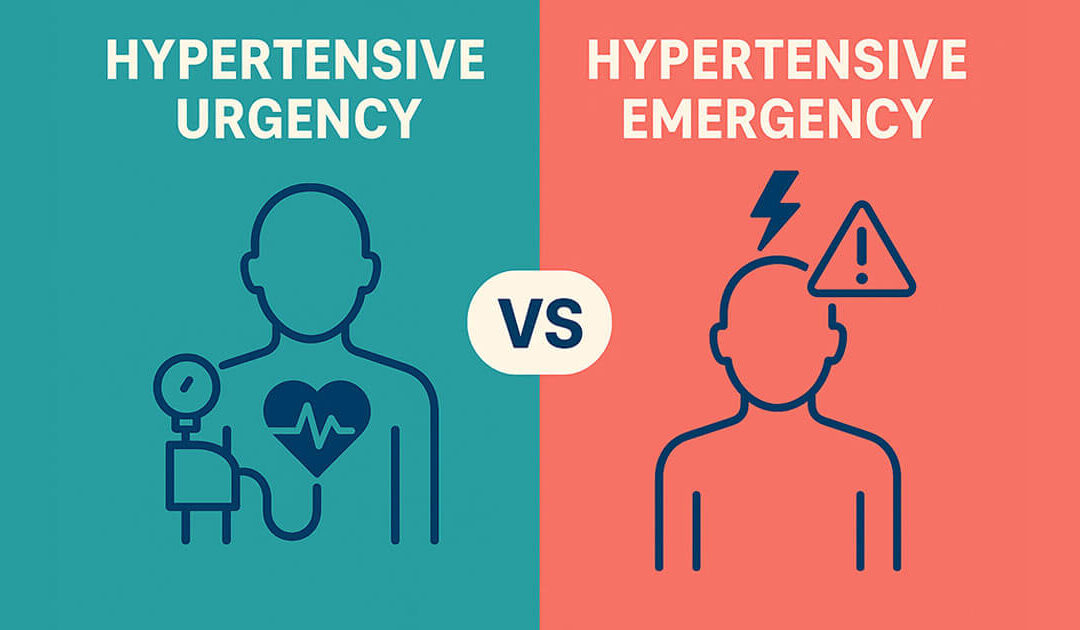
Hypertensive urgency occurs when your blood pressure suddenly jumps to 180/120 mmHg or higher. However, the key difference lies in how your body responds. During urgency, your organs remain stable. You might feel anxious or experience a headache, but your heart, brain, and kidneys continue functioning normally.
Moreover, this condition gives you time to seek medical attention thoughtfully. Nevertheless, don’t dismiss it as harmless. Your body is sending a clear signal that something needs attention. In fact, healthcare providers at facilities like UMH understand that even urgency situations require careful evaluation and compassionate care.
Recognizing a True Hypertensive Emergency
A hypertensive emergency is different. Furthermore, this happens when high blood pressure hurts your organs. Signs include bad headaches, confusion, chest pain, or trouble breathing. Additionally, you might have vision problems, trouble speaking, or severe back pain.
Unlike urgency, hypertensive emergency treatment needs prompt action. However, knowing these warning signs helps you respond right. Meanwhile, knowing when to call emergency services protects you from serious problems.
Understanding Hypertensive Crisis: The Bigger Picture
Both urgency and emergency fall under the umbrella term “hypertensive crisis.” However, medical professionals distinguish between these conditions based on organ involvement. In fact, this distinction guides treatment decisions and determines whether you need emergency department care or can manage the situation with your primary care provider.
Moreover, recognizing the symptoms of hypertensive crisis empowers you to take swift action. However, remember that professional medical evaluation always trumps self-diagnosis. Meanwhile, having a trusted healthcare team familiar with your medical history proves invaluable during these critical moments.
When Blood Pressure Signals Heart Problems
Sometimes, high blood pressure indicates significant heart problems. Furthermore, cardiac arrest symptoms can include sudden chest pain, trouble breathing, and passing out. However, these signs are different from typical high blood pressure signs.
But, high blood pressure increases your risk of cardiac events. In fact, understanding how to lower blood pressure instantly in an emergency involves remaining calm, sitting upright, and seeking immediate medical help. Whilst don’t attempt home remedies when facing a true emergency situation.
What to Do: Your Action Plan
When your blood pressure shows 180/120 or higher, wait five minutes and check again. Moreover, if the numbers stay high but you feel okay, call your doctor right away. However, if you have symptoms like bad headache, chest pain, or confusion, call emergency services now.
Furthermore, UMH’s emergency doctors understand hypertensive urgency vs emergency well. Nevertheless, they say when you’re not sure, getting checked right away is always safest. Meanwhile, their heart doctors help with ongoing high blood pressure care and preventing future problems.
Prevention: Your Best Protection
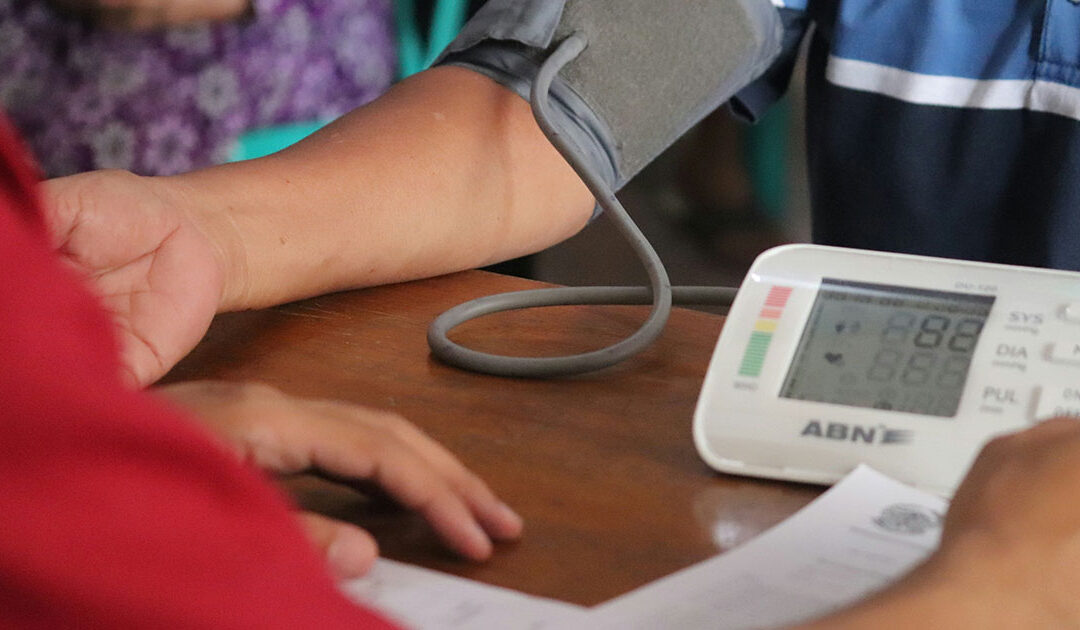
Managing chronic high blood pressure prevents most crisis situations. Moreover, taking your medicines as told greatly cuts your risk. However, lifestyle changes also help a lot. Furthermore, checking your blood pressure regularly helps spot problems before they become emergencies.
In fact, UMH’s complete heart program uses advanced tools with personal care plans. Meanwhile, their team of heart doctors works with patients to make good prevention plans. Nevertheless, they know that managing high blood pressure needs ongoing teamwork between patients and doctors.
Building Your Care Team
Living with high blood pressure doesn’t mean living in fear because having trusted doctors by your side can make a big difference. However, education and preparation provide the foundation for confidence. Moreover, understanding the distinction between hypertensive urgency vs emergency helps you respond appropriately to concerning symptoms.
Meanwhile, UMH’s patient resources offer reliable information and support tools. They emphasize that nothing replaces personal medical care. In fact, their caring approach combines advanced medical skills with real understanding of patient concerns.
Conclusion
Knowledge is power when dealing with hypertensive urgency vs emergency situations. Listen to your body, trust your feelings, and get help when needed. Schedule a visit with UMH’s expert heart team for complete evaluation and peace of mind.