Understanding the signs and symptoms of hepatitis remains essential in Pakistan because this viral affects millions of people nationwide. The condition causes inflammation of the liver, and early recognition always improves treatment outcomes. Moreover, because the disease spreads through several routes, including contaminated water, unsafe injections and close contact, awareness helps protect families and communities.
Symptoms of Hepatitis
Recognizing the signs and symptoms of hepatitis early helps protect long term liver health. Common symptoms include:
- Fatigue or unusual tiredness
- Loss of appetite
- Persistent nausea
- Vomiting
- Abdominal discomfort on the right side
- Dark urine
- Pale or clay colored stools
- Jaundice that causes yellowing of the eyes and skin
Anyone who notices even one of these symptoms should see a doctor promptly because early diagnosis improves recovery.
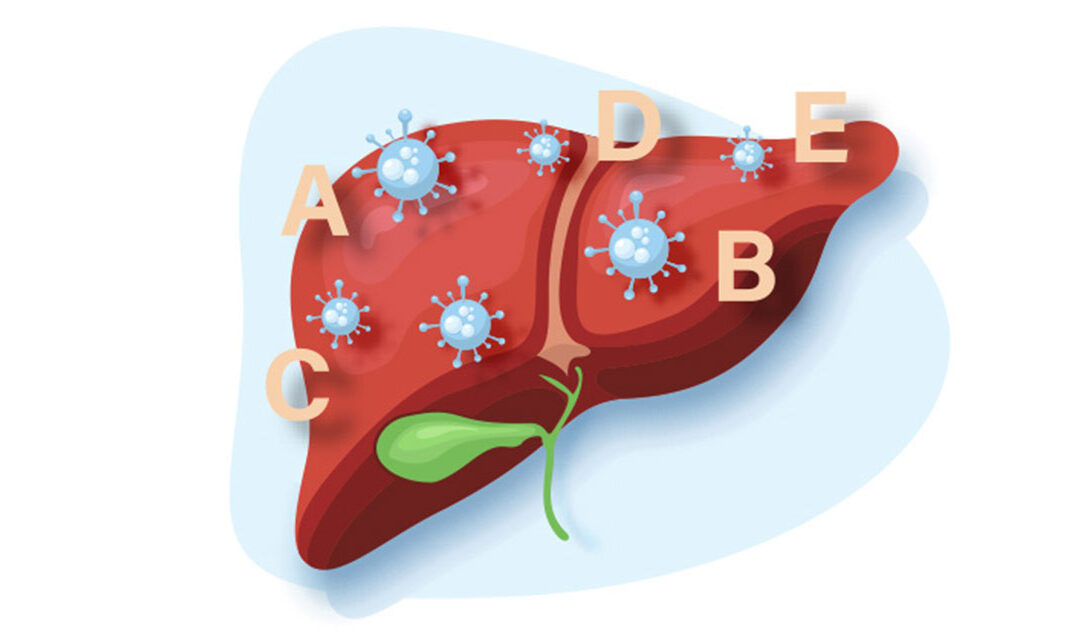
What is Hepatitis A?
Type A spreads through contaminated food and water. Poor sanitation increases transmission, which makes certain regions of Pakistan more vulnerable during floods or sewage contamination. The infection causes noticeable illness in most individuals.
Common features include the signs and symptoms of hepatitis, such as sudden fatigue, fever, abdominal pain, nausea, diarrhea, jaundice and dark urine. Symptoms usually appear quickly and remain for several weeks. Unlike other forms, type A never becomes chronic and people develop lifelong immunity after recovering.
What is Hepatitis B?
Type B spreads through blood and body fluids. Transmission occurs through unsafe injections, unsterile medical equipment and childbirth from an infected mother. In Pakistan, these factors contribute significantly to the spread.
The illness usually presents with symptoms, including fatigue, nausea, joint discomfort, dark urine and jaundice. Some individuals recover completely, while others develop a chronic infection that may lead to cirrhosis or liver cancer. Vaccination provides strong protection.
What is Hepatitis C?
Type C spreads through blood-to-blood contact. Understanding how is hepatitis c spread helps people avoid unsafe medical injections, dental tools that are not sterilized properly and unscreened blood transfusions.
This disease may cause mild symptoms including fatigue, abdominal discomfort and decreased appetite. Some people experience jaundice, although many do not notice symptoms at all. As a result, chronic infection becomes very common.
Modern antiviral medicines cure most cases, and is hepatitis c curable becomes an important question. Yes, treatment success rates exceed 95 percent when taken correctly.
What are Hepatitis D & E?
Type D spreads through blood and occurs only in individuals already infected with hepatitis B. This combination results in more severe inflammation and a faster progression to complications. Symptoms follow the usual signs and symptoms, but may worsen more rapidly.
Type E spreads through contaminated water. Outbreaks tend to increase during monsoon seasons and following floods. Young adults are commonly affected, and pregnancy increases the risk of severe illness. Symptoms include jaundice, abdominal pain, fever, nausea and loss of appetite.
Which Hepatitis Is More Dangerous?
The question which hepatitis is more dangerous does not have a single answer because each type carries unique risks. However, chronic hepatitis B, C, and D typically cause the most long-term damage. These viruses silently injure the liver for years, eventually leading to cirrhosis or liver cancer if untreated.
Type E becomes particularly dangerous for pregnant women because it increases the risk of acute liver failure. Therefore, understanding which hepatitis is more dangerous depends on a person’s age, overall health, pregnancy status and access to healthcare. Staying informed helps families take appropriate precautions.
What Is the Best Food for Hepatitis Patients?
Many people want to know what is the best food for hepatitis patient because a proper diet supports liver recovery. When the liver remains inflamed, easy‑to‑digest foods reduce stress on the digestive system and help maintain strength.
Nutritious choices include:
- Fresh seasonal fruits and vegetables
- Whole grains such as oats, barley and brown rice
- Lean proteins like fish, chicken, lentils and beans
- Small amounts of healthy fats from nuts and seeds
- Plenty of clean drinking water
Avoiding heavy, oily and overly processed foods supports liver healing. Re-emphasising what is the best food for hepatitis patient helps people follow dietary habits that aid recovery.
Treatment and Prevention
Treating depends on the virus type. Type A and E typically resolve with rest, hydration, and medical monitoring. Type B requires regular checkups and long-term follow‑up, while type C requires antiviral treatment that offers a strong chance of a complete cure.
Prevention always saves lives. Key strategies include:
- Vaccination for type A and B
- Ensuring every medical injection uses a new, sterile needle
- Avoiding unverified blood transfusions
- Drinking safe, clean water
- Maintaining proper hygiene and sanitation
- Ensuring safe childbirth practices to reduce mother-to-child transmission
Regular screening remains essential because the signs and symptoms of hepatitis sometimes appear late.
FAQs
What tests help doctors diagnose hepatitis accurately?
Doctors rely on blood tests that identify viral antigens, antibodies and liver enzyme levels. Ultrasound examinations also help evaluate liver inflammation and rule out complications.
How long does hepatitis take to show visible symptoms?
Type A and E usually show symptoms within 2 to 6 weeks. At the same time, type B takes around 1 to 4 months. Type C often shows very mild symptoms or none at all, even when liver inflammation continues.
How can families prevent hepatitis transmission at home?
Families can protect each other by not sharing toothbrushes or razors, ensuring everyone receives recommended vaccines, using clean drinking water and choosing clinics that use sterile medical equipment.
Does every type of hepatitis become chronic?
Types A and E never develop into chronic conditions. Meanwhile, type B becomes chronic most commonly when acquired in early childhood or at birth. Type C becomes chronic in most people unless treated.
Regular medical care shapes long‑term wellbeing, and the importance of regular health checkups becomes even clearer as lifestyles grow fast‑paced and health risks increase. Early detection, preventive care, and continuous monitoring help people in Pakistan manage chronic diseases, reduce complications, and maintain stronger physical and mental health. Moreover, early interventions often cost far less than late‑stage treatments, which makes preventive healthcare a smart decision for families.
Why Preventive Checkups Matter
Preventive assessments help individuals understand their current health status. Doctors track blood pressure trends, cholesterol levels, glucose readings, and organ health to identify risks before symptoms appear. Since Pakistan faces a rising burden of heart disease, diabetes, thyroid issues, and anaemia, the importance of regular health checkups is emphasized. Additionally, routine evaluations help people make informed lifestyle adjustments instead of waiting for illness to develop.
Key Benefits of Regular Health Checkups
Early Diagnosis of Chronic Diseases
Regular screenings support the early identification of diabetes, hypertension, kidney problems, and thyroid disorders. When individuals detect these issues early, they start treatment immediately and avoid long‑term complications. Since medical professionals track patterns across visits, they recommend personalised diets, exercise routines, and medications.
Better Cardiac Safety
Heart disease remains a leading cause of illness in Pakistan. Therefore, a cardiac health checkup holds strong value for adults. These checkups assess cholesterol levels, ECG readings, blood pressure stability, and potential risks of arrhythmias. When individuals undergo regular cardiac evaluations, they protect their long-term heart function and address emerging concerns.
Types of Checkups That Support Long‑Term Wellness
Complete Health Checkup
A complete health checkup covers several essential systems, including the liver, kidneys, thyroid, and blood. Pakistani doctors often recommend a full panel once a year for adults above 30. Since lifestyle and dietary patterns influence metabolic health, these panels help track fluctuations and guide improvements.
Routine Blood Tests
Routine blood tests provide insights into cholesterol levels, blood sugar trends, haemoglobin counts, infection markers, and vitamin deficiencies. Frequent testing helps individuals detect anaemia, mineral imbalances, and inflammatory issues before they become severe.
Medical Checkup Before Marriage
A medical checkup before marriage supports healthier future families. Pakistani couples often undergo thalassemia screenings, fertility assessments, and infectious disease tests. These evaluations help partners understand genetic risks and plan responsibly.
Cardiac Health Checkup
A regular cardiac health checkup provides adults with early insights into their cardiovascular health. Since many people in Pakistan experience stress, high salt intake, and sedentary routines, heart‑focused evaluations provide timely warnings and strengthen prevention efforts.
How Regular Checkups Improve Daily Life
Stronger Immunity
When people monitor their nutritional status, they correct deficiencies early. Proper levels of Vitamin D, iron, and B‑complex vitamins improve immunity and energy.
Better Mental and Emotional Stability
Regular appointments promote peace of mind. The importance of regular health checkups lies in the fact that individuals feel more in control because they understand their health status. Early reassurance often reduces unnecessary anxiety.
Long‑Term Financial Protection
Preventive healthcare reduces costs over time. Treating chronic diseases early prevents expensive hospitalisations.
Improved Lifestyle Choices
Doctors guide patients based on real data. When people know their cholesterol or glucose levels, they adjust their diet and exercise levels accordingly.
The Role of Family History
Genetic patterns influence the development of heart disease, cholesterol levels, and diabetes. When individuals openly share their family history with doctors, they receive better guidance. The importance of regular health checkups lies in the fact that people with hereditary risks advantage from early monitoring, leading to the right medication and lifestyle adaptation.
How Often Should Pakistanis Go for Checkups?
After understanding the importance of regular health checkups, here is a breakdown of how frequently one should visit a doctor. Adults under 30 usually require an annual evaluation, which includes routine blood tests. Individuals between the ages of 30 and 50 benefit from a complete health checkup every year. Moreover, people with a family history of diabetes, hypertension, or heart disease require more frequent monitoring. Adults over 50 should include a cardiac health checkup at least twice a year.
FAQs
How often should I get a complete health checkup?
Adults should get a complete health checkup once a year, while individuals with chronic conditions may require more frequent evaluations.
Why are routine blood tests important?
Routine blood tests detect anaemia, diabetes, infections, and vitamin deficiencies early and help prevent complications.
Is a medical checkup before marriage necessary in Pakistan?
A medical checkup before marriage supports informed family planning and includes thalassemia testing, fertility assessments, and infectious disease screening.
Who needs a cardiac health checkup?
Adults above 40, or individuals with stress, high salt intake, obesity, or a family history of heart disease, benefit from a cardiac health checkup.
How does regular monitoring prevent long‑term complications?
One of the greatest importance of regular health checkups is that individuals track medical trends and make timely adjustments, which reduces disease progression and prevents emergencies.
Feeling lightheaded, unusually tired, or unsteady can make everyday tasks surprisingly difficult. Understanding how to manage low blood pressure helps you stay safe, active, and in control. Although hypotension is often harmless, it can cause uncomfortable symptoms. Therefore, learning practical ways to stabilise it can make your day far more predictable. Moreover, simple adjustments such as strategic hydration, balanced meals, slower movements, and consistent monitoring often improve symptoms quickly.
What Causes Hypotension?
Hypotension can develop from dehydration, blood loss, pregnancy, severe infection, heart conditions, hormonal disorders, and medication side effects. Therefore, diagnosing the underlying cause is essential for safe treatment. Moreover, understanding the source of your symptoms and how to manage low blood pressure helps your clinician recommend the right lifestyle steps and medical options.
5 Simple Tricks That Work
1. Stay Hydrated
Adequate hydration is one of the most reliable ways to support healthy BP. When your body lacks fluid, your blood volume decreases, which can lead to dizziness or weakness. Therefore, drink water regularly throughout the day. Additionally, include electrolyte-containing drinks during hot weather or after exercise. Moreover, consistent hydration offers an immediate and noticeable improvement for many people.
2. Eat Small Meals Frequently
Large meals can pull blood into the digestive system and cause hypotension. Eating smaller meals more frequently helps maintain a steadier fluid flow. Additionally, create balanced plates with lean protein, fibre, and complex carbohydrates to avoid sudden drops. A mid-morning snack and a light evening snack often provide smoother energy levels.
3. Wear Compression Socks
Compression stockings gently squeeze the legs, encouraging blood to return to the heart. As a result, they help prevent dizziness when standing. They are especially useful for people who experience orthostatic hypotension. Additionally, choose medical-grade stockings for the most consistent support. Many people find that wearing them for long periods, such as during work or travel, reduces symptoms significantly.
4. Move Slowly When Standing Up
Standing suddenly can trigger hypotension. Therefore, rise gradually from lying or sitting. For example, sit at the edge of the bed for a few moments before standing. Additionally, stretch your calves, rotate your ankles, and tense your leg muscles to promote fluid flow and circulation. These small tips about how to manage low blood pressure often prevent faintness and help your body adjust more smoothly.
5. Use Caffeine
Caffeine can temporarily increase BP. Although the effect is short-lived, it can be helpful before activities that normally trigger dizziness. Therefore, a cup of coffee or tea used strategically may improve comfort. Additionally, spacing meals, maintaining hydration, and planning breaks throughout the day support long-term stability.
How to Treat Low Blood Pressure?
Treatment depends on the cause. A doctor determines how to treat low blood pressure by reviewing your symptoms, lifestyle, and test results. Some people only need hydration and slow position changes. Others may need treatment for infection, anaemia, or hormone problems.
Monitoring at Home
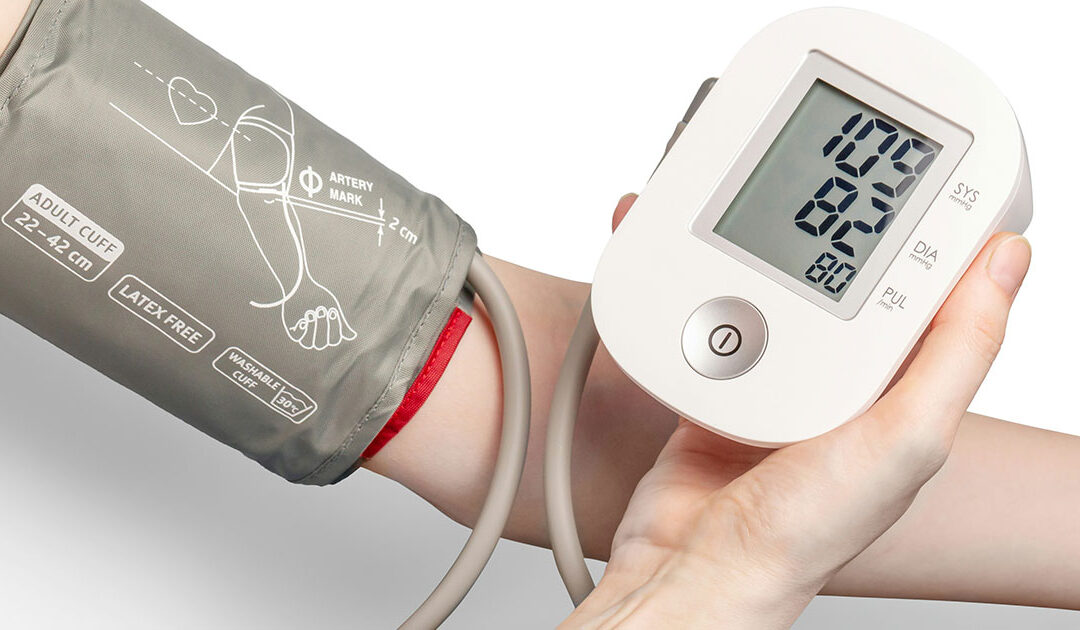
Home monitoring helps identify patterns and triggers. Measure your pressure both lying down and standing to detect orthostatic drops. Additionally, keep a simple journal to track how to manage low blood pressure, including meals, fluids, medications, and symptoms. Moreover, sharing this information with your healthcare provider helps tailor treatment more effectively.
Exercise and Strength
Gentle exercise supports circulation and strengthens muscles that help push fluid back to the heart. Walking, swimming, and light resistance training are excellent choices. Furthermore, avoid sudden, intense workouts that may worsen dizziness. Building endurance slowly ensures safer progress.
Special Groups
Pregnant individuals, older adults, and people with chronic conditions often need tailored guidance about how to manage low blood pressure in their case. Pregnancy-related hypotension usually improves naturally, but should still be monitored. Older adults may need medication adjustments. Therefore, regular check-ups are essential for these groups.
When to See a Doctor?
If symptoms persist despite lifestyle adjustments, professional guidance becomes essential. Persistent dizziness, fainting, extreme fatigue, or difficulty functioning may indicate an underlying condition that needs medical evaluation. Therefore, consult a doctor to review your symptoms, medications, and overall health so you can receive targeted advice and appropriate treatment.
Conclusion
Managing hypotension becomes easier with steady habits and informed decisions. Hydration, balanced meals, cautious salt use, gradual movements, and medical guidance create a reliable foundation for stability. Moreover, understanding how to manage low blood pressure empowers you to prevent symptoms and maintain a safer, more comfortable daily routine.
FAQs
How quickly do lifestyle changes help?
Many people notice improvement within a few days once hydration and meal patterns stabilise. However, full improvement depends on the underlying cause.
Should I increase salt without guidance?
No. Always consult a clinician first, since excess salt can be harmful for certain heart or kidney conditions.
Can low blood pressure cause heart attack?
Generally, hypotension does not cause heart attacks. However, extremely low pressure can reduce blood flow to organs and lead to shock, which is a medical emergency.
How to treat low blood pressure at home?
Hydrate consistently, eat small, balanced meals, stand slowly, and consider compression stockings.
If you are wondering how to increase hemoglobin quickly and safely, you are not alone. Hemoglobin carries oxygen in your blood, and maintaining healthy hemoglobin is essential. Below, you’ll find clear, practical guidance on foods, home remedies, and lifestyle changes that help raise hemoglobin, plus answers to common questions.
Quick Overview: What Hemoglobin Does
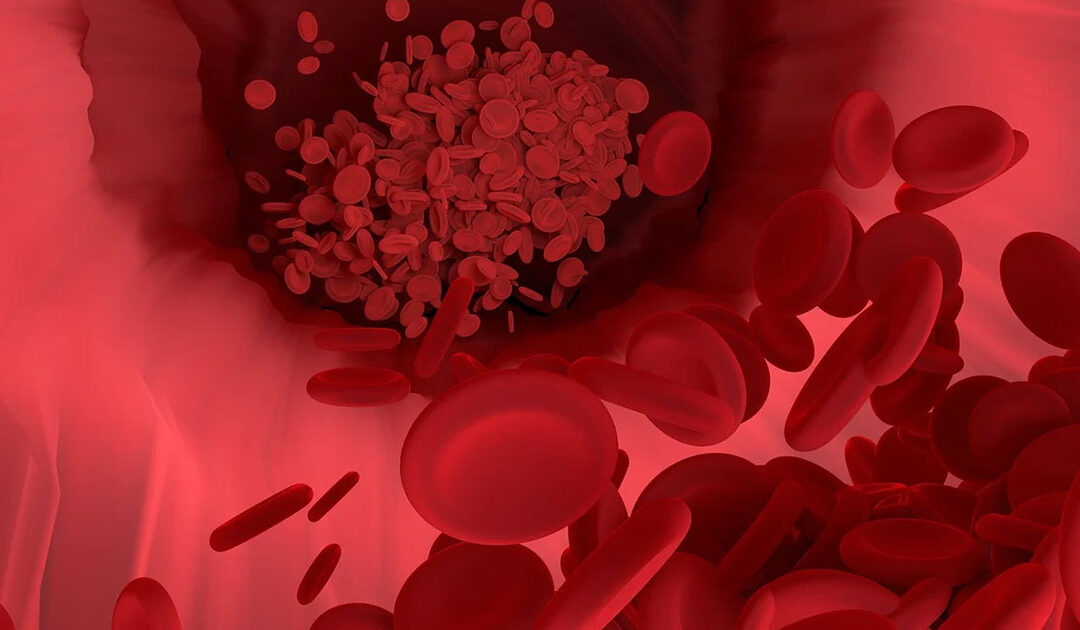
Hemoglobin is the protein in red blood cells that carries oxygen to tissues. When levels fall, you may feel tired, weak, or short of breath. Therefore, supporting hemoglobin matters for energy, concentration, and overall health.
Recognize Low Hemoglobin Symptoms
First, know the common low hemoglobin symptoms: fatigue, pale skin, shortness of breath during activity, dizziness, rapid heartbeat, and cold hands or feet. If you notice several of these signs, check your hemoglobin with a simple blood test and consult a healthcare professional.
Normal Hemoglobin Levels by Age
Next, understand normal values. Normal hemoglobin levels by age vary: newborns have higher levels, children and teens have different ranges, and adult men usually test higher than adult women. Typical adult ranges are roughly 13.5–17.5 g/dL for men and 12.0–15.5 g/dL for women, though labs differ. Therefore, always refer to your lab’s reference range.

How to Increase Hemoglobin: Dietary Strategies
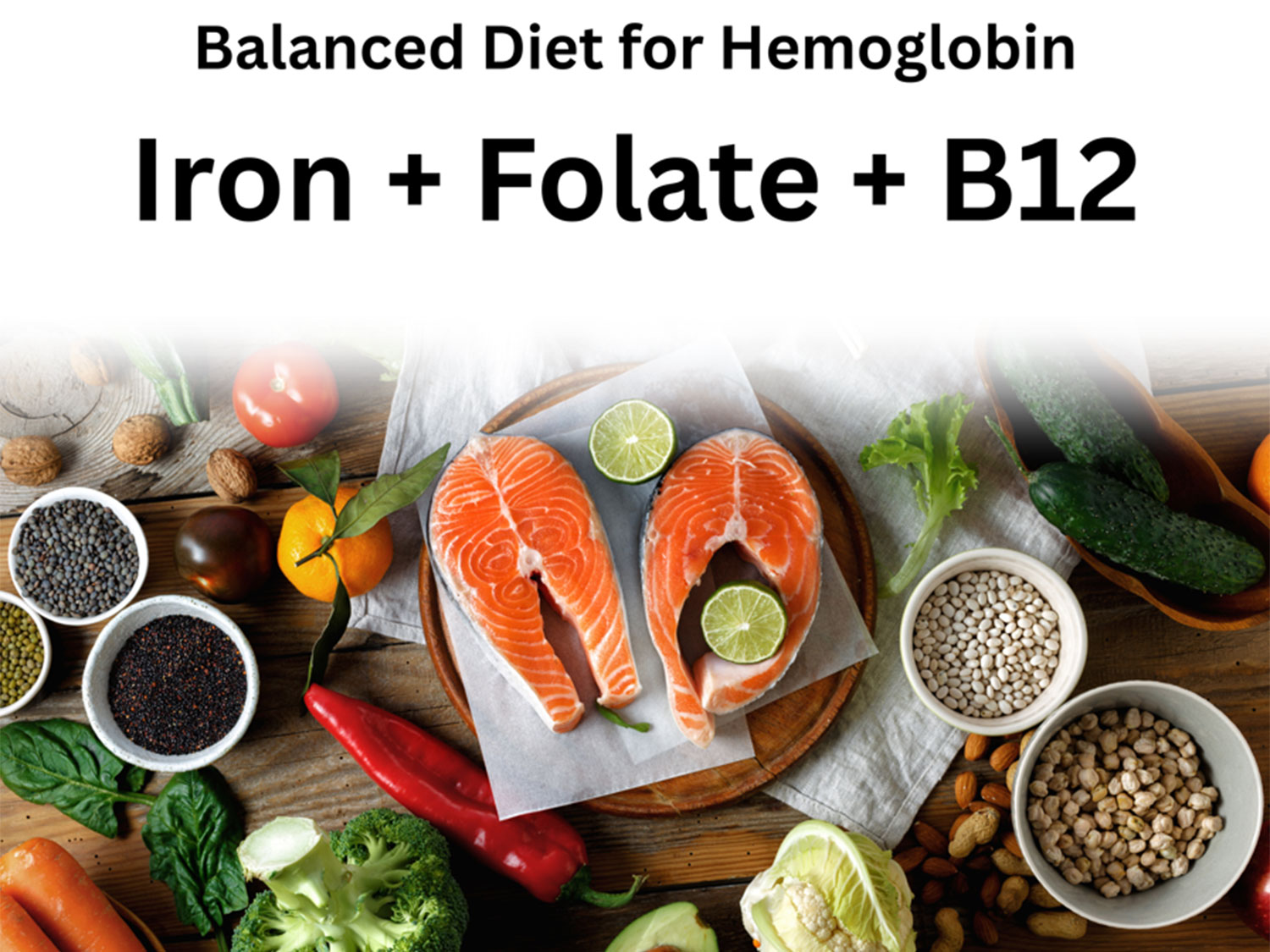
First and foremost, eat iron-rich foods. Heme from animal sources absorbs best; for example, lean red meat, liver, poultry, and fish. Secondly, plant-based (non-heme) sources such as lentils, beans, spinach, tofu, and fortified cereals also help, though absorption is lower. Therefore, combine these with vitamin C-rich foods (like citrus, bell peppers, or strawberries) to boost absorption.
Additionally, include folate and vitamin B12. Folate-rich foods include dark leafy greens, beans, and fortified grains, while vitamin B12 is found in meat, dairy, and fortified products. Both nutrients support red blood cell production. Thus, a balanced plate covering iron, folate, and B12 is most effective.
How to Increase Hemoglobin in a Week
Many people ask how to increase hemoglobin in a week. However, be cautious: significant rises in hemoglobin typically take several weeks with diet and supplements. Nevertheless, you can begin improving heme stores quickly by eating iron and vitamin C-rich meals, avoiding tea or coffee near iron-rich meals, and, if recommended by a doctor, starting supplements. Therefore, some symptom relief may appear within a week, but lab changes usually need more time.
Daily Iron Requirement and Supplementation
Understand the daily iron requirement so you can plan meals or supplements. For most adult men, the daily requirement is about 8 mg, while adult women of reproductive age often need about 18 mg daily. Pregnant people typically require about 27 mg per day. Children and teenagers have varying needs. Therefore, consult guidelines or your clinician to match needs and avoid excessive intake.
Home Remedies and Practical Tips
Besides food, try simple, safe home remedies. For instance, drinking fresh beet or pomegranate juice sometimes helps general blood health. Similarly, cooking in a cast-iron pan can add small amounts of heme to food. Moreover, avoid substances that block absorption: calcium supplements, antacids, tea, and coffee taken with iron-rich meals. Instead, sip orange juice with your lentils, or add lemon to spinach dishes.
Also, address underlying causes. Heavy menstrual bleeding, gastrointestinal blood loss, or other medical conditions can lower hemoglobin. Therefore, treat underlying issues with your healthcare provider rather than relying only on home remedies.
Lifestyle Habits That Support Hemoglobin
Sleep well, manage stress, and exercise moderately. Regular physical activity encourages blood health, and strength training supports muscle oxygen use. However, avoid excessive, prolonged endurance training without proper nutrition because it can lower iron. Moreover, stop smoking and limit alcohol intake as these affect overall blood health.
When to See a Doctor
Seek medical advice if symptoms are severe, sudden, or worsening. Likewise, if you suspect iron deficiency, get blood tests that include hemoglobin, hematocrit, and ferritin. Therefore, a correct diagnosis guides treatment such as dietary change, oral tablets, or other therapies.
Sample One-Day Meal Plan to Support Hemoglobin
Breakfast: Fortified cereal with sliced strawberries and a glass of orange juice.
Snack: A Handful of pumpkin seeds and an apple.
Lunch: Lentil soup with spinach and a side salad of bell peppers and tomatoes.
Snack: Yogurt (eat at least two hours away from iron-rich meals) and a small banana.
Dinner: Grilled chicken or fish with quinoa and steamed broccoli.
Dessert: A few slices of pomegranate or a small bowl of mixed berries.
Foods to Favor and Avoid
Favor: Red meat, liver (in moderation), poultry, fish, eggs, lentils, beans, tofu, dark leafy greens, iron-fortified cereals, nuts, seeds, citrus fruits.
Avoid or limit: Tea, coffee, calcium supplements, and some whole grains with high phytate content unless paired with vitamin C or processed to reduce phytates.
Practical Checklist — Immediate and Short-Term Steps
- Get tested if you suspect low hemoglobin.
- Start a plan that includes iron-rich meals and vitamin C at every main meal.
- Avoid tea and coffee with meals.
- Consider iron-fortified foods.
- Speak with your clinician before starting supplements.
- Track symptoms and repeat blood tests as advised.
For example, eat a citrus fruit with legumes to increase iron absorption. Likewise, combine eggs or fish with leafy greens and add nuts and seeds as snacks to boost intake. When people ask how to increase hemoglobin quickly, it can be challenging to achieve in days; patience and consistent habits matter most. Hence, plan for weeks to months of good nutrition and integrate habits that support long-term blood health.
Conclusion
In summary, how to increase hemoglobin involves a combination of iron-rich foods, vitamin C to boost absorption, adequate folate and B12, sensible supplements when needed, and attention to lifestyle and underlying causes. Therefore, start with diet and testing, and then follow medical advice for supplements or further treatment if required. With consistent care, most people can raise and maintain healthy hemoglobin levels.
Finally, regularly review progress, adjust diet gradually, consult your clinician, and celebrate small improvements for steady, lasting gains.
FAQs
Q: Can I raise hemoglobin without supplements?
A: Yes, sometimes diet and lifestyle changes are enough, especially for mild deficiencies. However, moderate to severe deficiencies usually need supplements under medical supervision.
Q: How fast will iron tablets raise hemoglobin?
A: Usually, you see measurable improvement in a few weeks, and full recovery of iron stores can take several months. Therefore, follow your doctor’s plan and repeat tests as advised.
Q: What are normal hemoglobin levels by age?
A: Ranges vary by age and sex. For adults, men: about 13.5–17.5 g/dL, women: about 12.0–15.5 g/dL. Children’s and newborn ranges differ significantly, so consult pediatric references or your lab report for precise values.
Q: Are there natural remedies that work?
A: Some natural options, like beet and pomegranate juice, may help general well-being, and cooking in cast-iron pans can also help. Nevertheless, they are supportive rather than curative for significant anemia.
Q: What are low hemoglobin symptoms I should watch for?
A: Watch for persistent fatigue, pale skin, dizziness, breathlessness during activity, palpitations, or fainting. If you have these, see a healthcare provider promptly.
Recognizing the early signs of a heart attack can save lives. From subtle aches to sudden breathlessness, warning signals often appear before major damage starts. Read on to learn which symptoms tend to show up first, why heart attack happens, and what to do immediately. Clear, practical steps follow so that anyone can act fast and confidently.
Why heart attack happens and how it begins
A heart attack happens when blood flow to part of the organ is blocked and the muscle begins to die from lack of oxygen. Most commonly, plaque that has built up inside the coronary arteries breaks open, and a clot forms at the site. As a result, blood cannot reach the tissue beyond the blockage. Because of this, recognizing early signs of an infarction matters. Understanding why it happens helps people reduce risk through medical care and lifestyle changes.
Common early signs of a heart attack
Firstly, chest discomfort is the most widely known sign. In many cases, people describe pressure, squeezing, fullness, or mild pain in the center of the chest that lasts more than a few minutes. Secondly, pain or discomfort may spread to the arms, neck, jaw, back, or upper abdomen. Thirdly, shortness of breath can appear with or without chest pain. Moreover, other common signs include sudden sweating, lightheadedness, nausea, and unexplained fatigue. Overall, pay attention because early signs of heart attack vary from person to person.
Subtle and easily missed signals
However, not every infarction starts with dramatic chest pain. Sometimes symptoms are mild, confusing, or feel like another condition. For example, heart-related discomfort can feel like indigestion or a heavy feeling in the chest. Similarly, unusual tiredness that is new and persistent can be a warning. Women and older adults often experience atypical symptoms. Therefore, do not dismiss new, unexplained symptoms just because they seem small.
Could signs appear a month before?
Yes. Many people report warning signs days to weeks before the main event. Recognizing early warning signals can help you take preventive action before severe damage occurs. Here is an easy way to identify the 6 signs of heart attack a month before and take simple precautionary steps:
- Unusual fatigue: Feeling exhausted even after rest may indicate your heart is under strain. Try to rest, monitor your energy levels, and consult your doctor if tiredness persists.
- Mild chest heaviness or pressure: Notice if your chest feels tight or heavy, especially during mild activity. Avoid overexertion and get a cardiac check-up soon.
- Palpitations or irregular heartbeat: If your heart races, flutters, or skips beats more often than usual, note the pattern and inform your physician.</span
- Shortness of breath: Difficulty catching your breath while walking or climbing stairs could be an early signal. Slow down, stay calm, and schedule a check-up.
- Unexplained sweating: Sudden or cold sweats without physical activity may indicate circulatory stress. Keep yourself hydrated and monitor for other symptoms.
- Digestive discomfort or nausea: Indigestion, upper abdominal pain, or nausea that is new or persistent should never be ignored. If it continues, get medical advice quickly.
By staying alert to these signs and acting early, you can prevent complications. If multiple symptoms appear or increase in frequency, seek immediate medical evaluation.
Silent heart attack symptoms and who is at higher risk
A silent infarction can produce few or no classic symptoms. In such cases, people may attribute the event to stress, acid reflux, or normal tiredness. Common silent heart attack symptoms include mild chest discomfort, shortness of breath, fatigue, and lightheadedness. People with diabetes, older adults, and some women are more likely to have silent events. Hence, regular medical checkups, routine testing, and careful attention to small changes in health are essential.
The role of blood pressure in heart attack risk
High blood pressure damages artery walls over time and speeds plaque buildup. In effect, the role of blood pressure in heart attack risk is central because uncontrolled hypertension increases the chance that plaque will rupture and form a clot. At the same time, high blood pressure makes the pumping organ work harder and may lead to cardiac muscle strain. Therefore, monitoring blood pressure and following treatment plans reduces risk significantly.
Simple actions to take immediately
If you notice any strong or persistent early signs of infarction, call emergency services right away. Meanwhile, stay calm, sit or lie down, and try to rest while help is on the way. If advised by emergency responders or your healthcare team and you are not allergic, chew an aspirin unless contraindicated. Avoid driving yourself to the hospital when possible because professional responders can begin treatment en route.
If symptoms are mild but unusual, arrange urgent medical evaluation within 24 hours. Timely assessment can reveal problems before a major event occurs and often prevents worse outcomes.
Practical steps to lower your risk now
First, control blood pressure through diet, exercise, and medications when prescribed. Second, quit smoking and reduce exposure to secondhand smoke. Third, manage blood sugar and cholesterol through lifestyle and medicines when needed. Fourth, stay active with regular, moderate exercise and maintain a healthy weight. Finally, know your family history and discuss it with your clinician so that testing and prevention are tailored to you.
Remember that understanding why heart attack happens allows smarter prevention. While genetics matter, many risk factors respond to changes in daily habits and medical treatment.
Final takeaways
Keep the early signs of heart attack in mind and act quickly if they appear. Because early detection changes outcomes, prompt care saves cardiac muscle and lives. Meanwhile, control blood pressure, manage other risks, and get regular checkups so that silent infarction symptoms and other warnings are not missed.
Frequently asked questions
Q: What are the early signs of heart attack I should never ignore?
A: Never ignore chest pressure or pain that lasts more than a few minutes, sudden shortness of breath, new and unusual fatigue, pain spreading to the arms or jaw, and sudden sweating or lightheadedness. If these happen, call emergency services immediately.
Q: Can a heart attack happen without chest pain?
A: Yes. Silent symptoms can include only mild discomfort, breathlessness, fatigue, or nausea. People with diabetes and older adults are more prone to silent events.
Q: How does blood pressure influence heart attacks?
A: The role of blood pressure in heart attack risk is significant because high blood pressure injures artery walls and promotes plaque buildup. Controlling blood pressure lowers the risk of plaque rupture and clot formation.
Q: What are the 6 signs of a heart attack a month before I should watch for?
A: Watch for persistent fatigue, chest heaviness, new palpitations, worsening shortness of breath, unexplained sweating, and new indigestion or nausea.
What causes epilepsy is a question many people ask, and understandably so, because seizures can be scary, and clear answers matter. It is a brain condition that causes repeated, unprovoked seizures. The reasons behind these seizures vary, yet with the correct diagnosis and treatment, people can manage their condition effectively.
What is Epilepsy — Simple explanation
It is a brain disorder that causes repeated seizures. A seizure happens when there is sudden, unus1ual electrical activity in the brain. Simply put, a seizure is an event, while this condition is the ongoing tendency to have repeated, unprovoked seizures. Furthermore, people often refer to a seizure as an “epilepsy attack,” so later we will discuss what is epilepsy attack, how it appears, and what actions to take during one.
What causes Epilepsy — Main reasons
The causes generally fall into a few main groups. Some cases are linked to genetics, others to brain injury or infection, and sometimes the cause remains unknown. However, understanding each reason helps in finding the proper epilepsy treatment. Common causes of epilepsy include:
- Genetic factors — some people inherit changes in their genes that make them more likely to have seizures.
- Brain injury — accidents, strokes, or surgeries can cause scars that trigger seizures later on.
- Brain tumors or malformations — growths or structural differences in the brain can lead to this condition.
- Infections — illnesses such as meningitis or encephalitis can damage brain tissue and cause seizures.
- Metabolic or chemical problems — imbalances in blood sugar or electrolytes can lead to seizure activity.
- Before birth issues — infections, poor oxygen supply, or developmental problems during pregnancy can raise the risk.
In about half of all cases, doctors cannot find a specific reason. When that happens, they may call it “unknown” or “idiopathic.” Even so, proper testing often helps identify patterns that guide treatment.
How Epilepsy begins and what can trigger it
It can start at any age. When it starts, it can offer valuable clues about the causes of epilepsy. For instance, genetic epilepsy often appears in childhood, whereas epilepsy caused by stroke or head injury may begin later in life. In addition, several factors can trigger seizures. Common seizure triggers include lack of sleep, flashing lights, fever, alcohol withdrawal, emotional stress, or certain medications. Therefore, identifying and avoiding personal triggers is an important part of managing epilepsy treatment successfully.
Symptoms — How to recognize an epilepsy attack
Seizures can appear very differently from one person to another. Some involve brief staring spells, while others cause shaking and loss of awareness. To put it simply, what is epilepsy attack refers to any sudden episode of changes in movement, awareness, feelings, or behavior due to unusual brain activity.
Common symptoms include:
- Sudden blank staring or zoning out.
- Uncontrolled jerking of the arms or legs.
- Confusion or being unresponsive for a short period.
- Loss of consciousness or trouble breathing during a seizure.
If someone has a seizure, first keep them safe from injury by gently moving nearby objects. Next, do not put anything in their mouth. Finally, call emergency help if the seizure lasts longer than five minutes or if another seizure begins right away. Quick, calm action can make a big difference.
Diagnosis — How doctors find the cause
Diagnosis usually begins with a detailed discussion about symptoms and medical history. After that, a doctor performs physical and neurological exams to look for possible issues. In addition, brain scans such as MRI help detect structural problems, while blood tests can reveal chemical or infection-related causes.
A key test is the EEG (electroencephalogram). It records the brain’s electrical activity, and therefore it is one of the most helpful tools for identifying seizure patterns. EEG findings in this condition often show spikes, sharp waves, or unusual rhythmic patterns that signal seizure activity. Moreover, an EEG can show whether seizures start from one specific brain area (focal epilepsy) or affect the entire brain (generalized epilepsy). Sometimes, doctors use longer video-EEG tests to capture real seizure events, which leads to a more accurate diagnosis and better treatment planning.
Epilepsy treatments
Treatment depends on several factors — including the cause, type, and frequency of seizures. The first step usually involves anti-seizure medications, which successfully control seizures for most people. However, if medications do not work, surgery may be an option to remove the area of the brain causing seizures. In addition, other treatments such as vagus nerve stimulation (a small implanted device that helps control seizures) or a ketogenic diet can also help both children and adults.
Furthermore, lifestyle choices play a major role in managing the condition. For example, getting regular sleep, taking medicines on time, and avoiding known triggers are essential for effective epilepsy treatment. Because every person’s situation is different, treatment should always be managed by a neurologist or a specialist.
EEG findings in Epilepsy — What they show
EEG findings in Epilepsy display patterns of unusual electrical activity in the brain. For example, generalized spike-and-wave patterns are often seen in people with generalized epilepsy, while local spikes can point to a specific brain area responsible for seizures. However, it’s important to note that sometimes an EEG looks normal between seizures. Therefore, doctors use EEG results together with medical history and brain imaging to make a full diagnosis.
Living with the condition — Useful tips
Living with epilepsy requires awareness, patience, and routine care. If you or someone you know has the condition, first and foremost, stay calm and informed. Learn basic seizure first aid, keep up with medical visits, and take prescribed medicines as directed. In addition, joining support groups can provide emotional encouragement. It also helps to communicate openly with teachers or employers about any necessary adjustments. Furthermore, avoiding triggers like lack of sleep or alcohol and following driving and safety rules in your area can keep life safe and manageable.
Conclusion
To summarize, what causes epilepsy can include genetic factors, brain injuries, infections, developmental issues, or unknown reasons. Even when the exact cause is unclear, combining EEG findings, accurate diagnosis, and personalized treatment allows most people to control seizures and live healthy, fulfilling lives. Therefore, seeking early medical care and maintaining consistency with treatment truly makes a long-lasting difference.
Frequently Asked Questions (FAQs)
Q: What causes epilepsy in children?
A: In children, it often results from genetic factors, brain development issues, or complications during birth.
Q: Does one seizure mean I have epilepsy?
A: No. A single seizure may happen because of high fever, low blood sugar, or certain medications, and does not always mean epilepsy.
Q: How does an EEG help?
A: EEG findings show the brain’s electrical activity, which helps doctors identify the seizure type and brain area involved. However, sometimes results appear normal between seizures.
Q: Can Epilepsy be cured?
A: Some people stop having seizures with the proper treatment or surgery, while others manage their symptoms effectively with consistent medicine and care.