کراچی: عثمان میموریل اسپتال میں مفت آرتھوپیڈک میڈیکل کیمپ کا کامیاب انعقاد کیا گیا، جس میں گھٹنے اور کولہے کے جوڑوں کی تبدیلی (جائنٹ ری پلیسمنٹ) کے حوالے سے مریضوں کو جامع رہنمائی اور مشاورت فراہم کی گئی۔
کیمپ میں ماہر آرتھوپیڈک سرجنز نے مریضوں کا تفصیلی معائنہ کیا اور جدید طریقۂ علاج سے متعلق آگاہی فراہم کی۔ اس میڈیکل کیمپ سے درجنوں مریضوں نے استفادہ کیا اور اپنی تکالیف کے مطابق علاج کے بہترین آپشنز سے آگاہ ہوئے۔
اسپتال انتظامیہ کے مطابق اس طرح کے کیمپس کا مقصد عوام کو معیاری طبی سہولیات تک بآسانی رسائی فراہم کرنا ہے تاکہ ہڈیوں اور جوڑوں کے مسائل کے شکار مریض بروقت معائنہ اور مشورے سے بہتر صحت کی جانب گامزن ہو سکیں۔
مریضوں اور اُن کے اہلِ خانہ نے عثمان میموریل اسپتال کی اس کاوش کو سراہتے ہوئے کہا کہ مفت مشاورت سے انہیں اپنے مرض کے بارے میں درست رہنمائی ملی، جو اُن کے لیے انتہائی فائدہ مند ثابت ہوئی۔
Karachi: A free orthopedic medical camp was successfully organized at Usman Memorial Hospital, where patients received comprehensive guidance and consultation regarding knee and hip joint replacement.
Specialized orthopedic surgeons examined the patients in detail and provided awareness about modern treatment procedures. Dozens of patients benefitted from the camp and learned about the best treatment options according to their medical conditions.
According to the hospital administration, the purpose of such camps is to provide the public with easy access to quality healthcare facilities so that patients suffering from bone and joint problems can receive timely consultation and move towards better health.
Patients and their families appreciated the initiative of Usman Memorial Hospital, stating that the free consultation helped them receive accurate guidance regarding their medical issues, which proved highly beneficial for them.
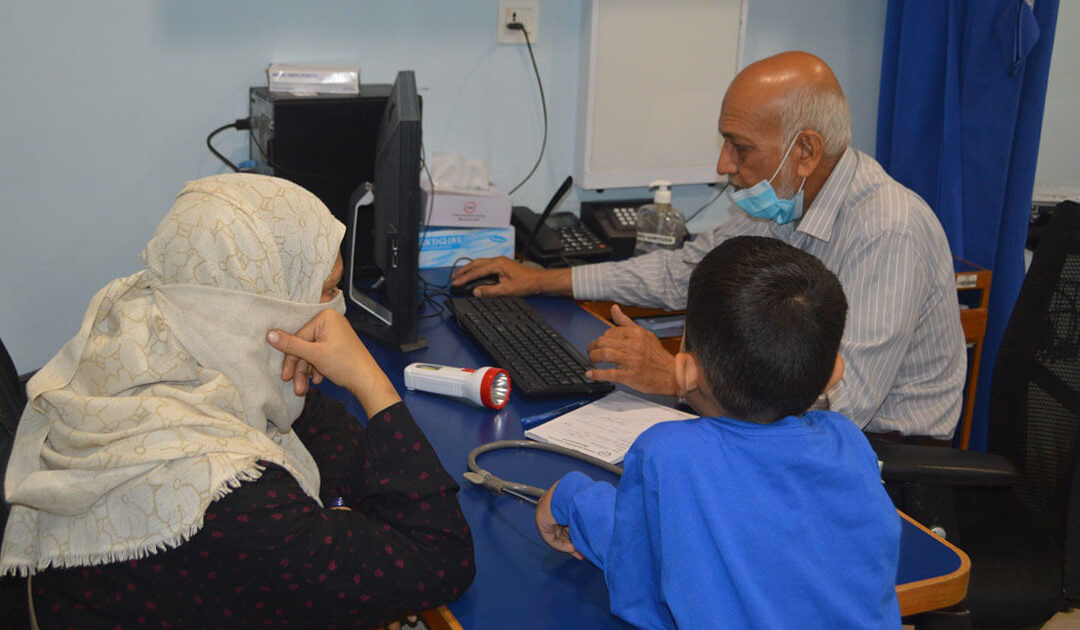
کراچی: ورلڈ چلڈرن ڈے کے موقع پر عثمان میموریل اسپتال میں بچوں کی صحت اور بہبود کے لیے خصوصی کیمپ کا انعقاد کیا گیا۔
اس موقع پر اسپتال کی انتظامیہ نے والدین اور بچوں کے لیے مختلف فلاحی سرگرمیوں کا اہتمام کیا جن میں ادویات کی فراہمی، مفت تحائف اور بچوں کے لیے خصوصی طور پر تیار کردہ ڈائیٹ چارٹ شامل تھے۔
کیمپ میں بچوں کے ماہر ڈاکٹروں نے مفت معائنہ کیا اور والدین کو بچوں کی صحت، غذا اور حفاظتی ٹیکوں کے متعلق آگاہی بھی فراہم کی۔
والدین کی بڑی تعداد نے اس اقدام کو سراہتے ہوئے کہا کہ اس طرح کے پروگرام بچوں کی صحت کے لیے نہایت مفید ثابت ہوتے ہیں۔
عثمان میموریل اسپتال کی انتظامیہ کے مطابق بچوں کی فلاح و بہبود ان کی اولین ترجیح ہے اور اس طرح کے کیمپس کا مقصد معاشرے میں صحت مند بچوں کے حوالے سے شعور اجاگر کرنا ہے۔
آخر میں اسپتال کی جانب سے بتایا گیا کہ یہ کیمپ ہر سال باقاعدگی سے ورلڈ چلڈرن ڈے کے موقع پر منعقد کیا جاتا ہے۔
Karachi: On the occasion of World Children’s Day, Usman Memorial Hospital organized a special health camp dedicated to the well-being and care of children.
During the event, the hospital administration arranged various welfare activities for parents and children, including the provision of medicines, free gifts, and specially designed diet charts for children.
Pediatric specialists conducted free medical check-ups and provided parents with guidance on children’s health, nutrition, and immunization.
A large number of parents appreciated the initiative, stating that such programs play a vital role in promoting children’s health.
According to the hospital administration, the welfare and well-being of children is their top priority, and the purpose of organizing such camps is to raise awareness about healthy childhood development in society.
The hospital further stated that this camp is organized annually in connection with World Children’s Day.
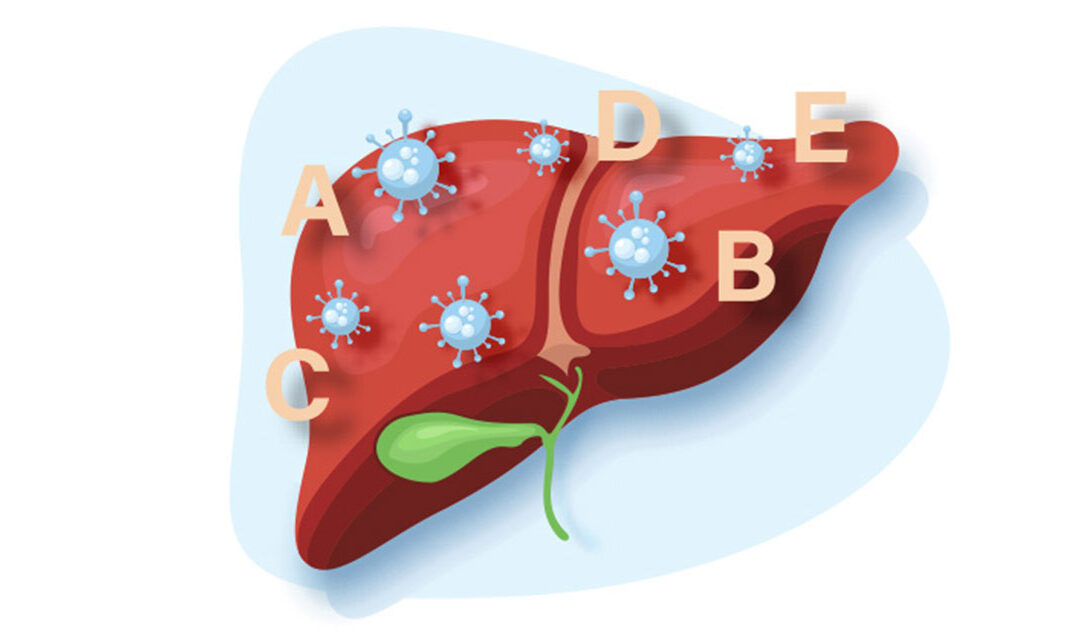
Understanding the signs and symptoms of hepatitis remains essential in Pakistan because this viral affects millions of people nationwide. The condition causes inflammation of the liver, and early recognition always improves treatment outcomes. Moreover, because the disease spreads through several routes, including contaminated water, unsafe injections and close contact, awareness helps protect families and communities.
Symptoms of Hepatitis
Recognizing the signs and symptoms of hepatitis early helps protect long term liver health. Common symptoms include:
- Fatigue or unusual tiredness
- Loss of appetite
- Persistent nausea
- Vomiting
- Abdominal discomfort on the right side
- Dark urine
- Pale or clay colored stools
- Jaundice that causes yellowing of the eyes and skin
Anyone who notices even one of these symptoms should see a doctor promptly because early diagnosis improves recovery.
What is Hepatitis A?
Type A spreads through contaminated food and water. Poor sanitation increases transmission, which makes certain regions of Pakistan more vulnerable during floods or sewage contamination. The infection causes noticeable illness in most individuals.
Common features include the signs and symptoms of hepatitis, such as sudden fatigue, fever, abdominal pain, nausea, diarrhea, jaundice and dark urine. Symptoms usually appear quickly and remain for several weeks. Unlike other forms, type A never becomes chronic and people develop lifelong immunity after recovering.
What is Hepatitis B?
Type B spreads through blood and body fluids. Transmission occurs through unsafe injections, unsterile medical equipment and childbirth from an infected mother. In Pakistan, these factors contribute significantly to the spread.
The illness usually presents with symptoms, including fatigue, nausea, joint discomfort, dark urine and jaundice. Some individuals recover completely, while others develop a chronic infection that may lead to cirrhosis or liver cancer. Vaccination provides strong protection.
What is Hepatitis C?
Type C spreads through blood-to-blood contact. Understanding how is hepatitis c spread helps people avoid unsafe medical injections, dental tools that are not sterilized properly and unscreened blood transfusions.
This disease may cause mild symptoms including fatigue, abdominal discomfort and decreased appetite. Some people experience jaundice, although many do not notice symptoms at all. As a result, chronic infection becomes very common.
Modern antiviral medicines cure most cases, and is hepatitis c curable becomes an important question. Yes, treatment success rates exceed 95 percent when taken correctly.
What are Hepatitis D & E?
Type D spreads through blood and occurs only in individuals already infected with hepatitis B. This combination results in more severe inflammation and a faster progression to complications. Symptoms follow the usual signs and symptoms, but may worsen more rapidly.
Type E spreads through contaminated water. Outbreaks tend to increase during monsoon seasons and following floods. Young adults are commonly affected, and pregnancy increases the risk of severe illness. Symptoms include jaundice, abdominal pain, fever, nausea and loss of appetite.
Which Hepatitis Is More Dangerous?
The question which hepatitis is more dangerous does not have a single answer because each type carries unique risks. However, chronic hepatitis B, C, and D typically cause the most long-term damage. These viruses silently injure the liver for years, eventually leading to cirrhosis or liver cancer if untreated.
Type E becomes particularly dangerous for pregnant women because it increases the risk of acute liver failure. Therefore, understanding which hepatitis is more dangerous depends on a person’s age, overall health, pregnancy status and access to healthcare. Staying informed helps families take appropriate precautions.
What Is the Best Food for Hepatitis Patients?
Many people want to know what is the best food for hepatitis patient because a proper diet supports liver recovery. When the liver remains inflamed, easy‑to‑digest foods reduce stress on the digestive system and help maintain strength.
Nutritious choices include:
- Fresh seasonal fruits and vegetables
- Whole grains such as oats, barley and brown rice
- Lean proteins like fish, chicken, lentils and beans
- Small amounts of healthy fats from nuts and seeds
- Plenty of clean drinking water
Avoiding heavy, oily and overly processed foods supports liver healing. Re-emphasising what is the best food for hepatitis patient helps people follow dietary habits that aid recovery.
Treatment and Prevention
Treating depends on the virus type. Type A and E typically resolve with rest, hydration, and medical monitoring. Type B requires regular checkups and long-term follow‑up, while type C requires antiviral treatment that offers a strong chance of a complete cure.
Prevention always saves lives. Key strategies include:
- Vaccination for type A and B
- Ensuring every medical injection uses a new, sterile needle
- Avoiding unverified blood transfusions
- Drinking safe, clean water
- Maintaining proper hygiene and sanitation
- Ensuring safe childbirth practices to reduce mother-to-child transmission
Regular screening remains essential because the signs and symptoms of hepatitis sometimes appear late.
FAQs
What tests help doctors diagnose hepatitis accurately?
Doctors rely on blood tests that identify viral antigens, antibodies and liver enzyme levels. Ultrasound examinations also help evaluate liver inflammation and rule out complications.
How long does hepatitis take to show visible symptoms?
Type A and E usually show symptoms within 2 to 6 weeks. At the same time, type B takes around 1 to 4 months. Type C often shows very mild symptoms or none at all, even when liver inflammation continues.
How can families prevent hepatitis transmission at home?
Families can protect each other by not sharing toothbrushes or razors, ensuring everyone receives recommended vaccines, using clean drinking water and choosing clinics that use sterile medical equipment.
Does every type of hepatitis become chronic?
Types A and E never develop into chronic conditions. Meanwhile, type B becomes chronic most commonly when acquired in early childhood or at birth. Type C becomes chronic in most people unless treated.