


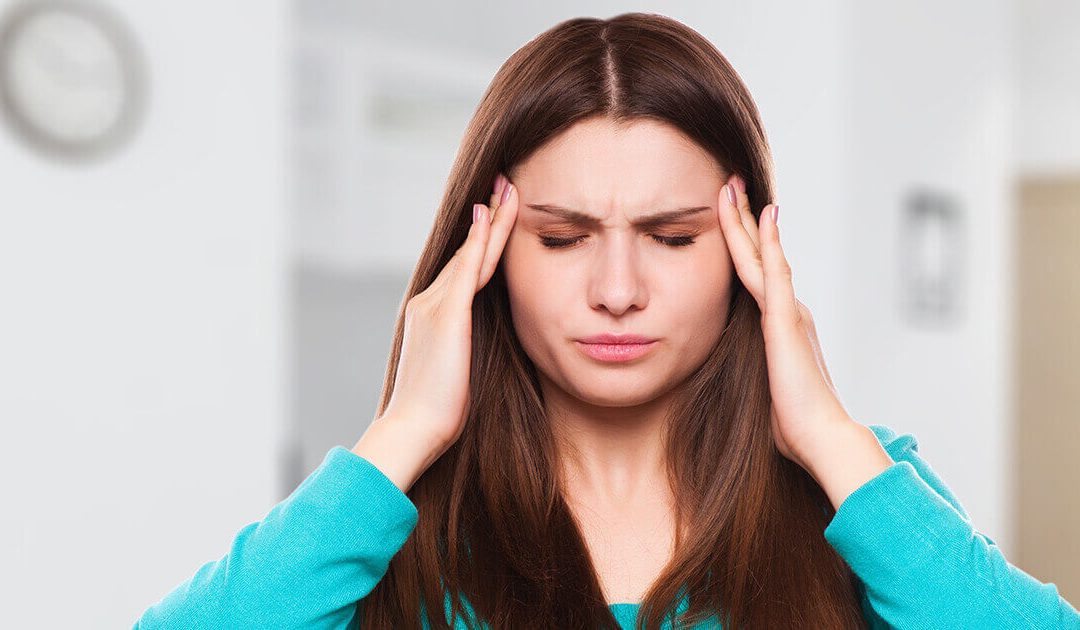
Migraines are a common neurological condition that affects women more often than men and can disrupt daily life, school, and work. Knowing what causes migraines in females helps people prevent attacks and manage symptoms more effectively. A migraine headache is not just a bad headache. It involves changes in brain activity, blood vessels, and body chemistry that lead to pain and other symptoms, such as nausea and sensitivity to light and sound.
How Migraines Work in the Brain
Migraines begin with changes in how the brain processes signals. The trigeminal nerve, which carries pain signals from the face and head, becomes overactive. Chemicals such as serotonin and calcitonin gene-related peptide increase, which can widen blood vessels and increase pain.
Some people also experience a wave of brain activity called cortical spreading depression. This can lead to aura symptoms such as flashing lights or tingling. These processes help explain why these headaches come and go in episodes. They also show how hormones affect migraines, especially in females.
The Role of Hormones
Hormones are one of the most important factors behind what causes migraines in females. Estrogen, a key female hormone, affects how the brain controls pain and responds to triggers.
Menstrual Cycle and Migraines
Many women experience menstrual migraines, which occur just before or during their period. Estrogen levels drop quickly at this time, which can trigger migraines. These attacks are often stronger and last longer than usual.
Pregnancy and After Childbirth
During pregnancy, estrogen levels stay more stable. This can reduce migraine frequency for some women. After childbirth, hormone levels change quickly, which may cause these headaches to return.
Perimenopause and Menopause
Hormone levels become irregular during perimenopause, which can increase migraine frequency.
Common Triggers of Migraines
Understanding what triggers migraines helps people avoid factors that may lead to attacks. Triggers vary between individuals, but some are very common.
Food and Drink
Certain foods can trigger a migraine headache, including:
- Aged cheese
- Processed meats
- Too much caffeine
- Artificial sweeteners
Skipping meals and not drinking enough water can also be a trigger.
Lifestyle Factors
Poor sleep habits, high stress, and lack of exercise increase the risk of migraines. Long hours on screens and irregular daily routines can also worsen symptoms.
Environmental Triggers
Bright lights, loud sounds, strong smells, and weather changes can trigger migraines. Many people with the condition have increased sensitivity to these environmental factors.
Genetics and Brain Sensitivity
Family history plays an important role in what causes migraines in females. If a close family member has the condition, the chances of developing it are higher.
People with the condition often have a more sensitive nervous system. Their brain reacts more strongly to triggers, which makes it easier for a migraine to start.
Stress and Emotional Factors
Stress is one of the most common triggers. When stress levels rise, the body releases hormones such as cortisol, which can affect brain function and increase pain sensitivity.
Long term stress can also disturb sleep and overall health, which further increases the risk of these headaches. Relaxation techniques and stress management can help reduce the frequency of headaches.
When to See a Doctor
Occasional migraines can often be managed at home, but some symptoms require medical attention. It is important to consult a healthcare professional if:
- It becomes more frequent or severe
- Pain affects daily activities
- Symptoms include vision problems, confusion, or weakness
Prevention and Management
Prevention starts with identifying what triggers migraines and making lifestyle changes. Small, consistent habits can make a big difference.
Practical Tips
- Maintain a regular sleep schedule
- Stay hydrated throughout the day
- Avoid known food triggers
- Manage stress through relaxation techniques
- Take breaks from screens
It is highly recommended to consult your doctor regarding the symptoms. Self-medication is not recommended when the symptoms are persistent.
FAQs
Q: What are the main causes of migraines in females?
A: Hormonal changes, stress, certain foods, and genetics all contribute to these headaches.
Q: How do hormones affect migraines?
A: Changes in estrogen levels influence brain chemicals and pain signals, thus directly affecting the condition.