


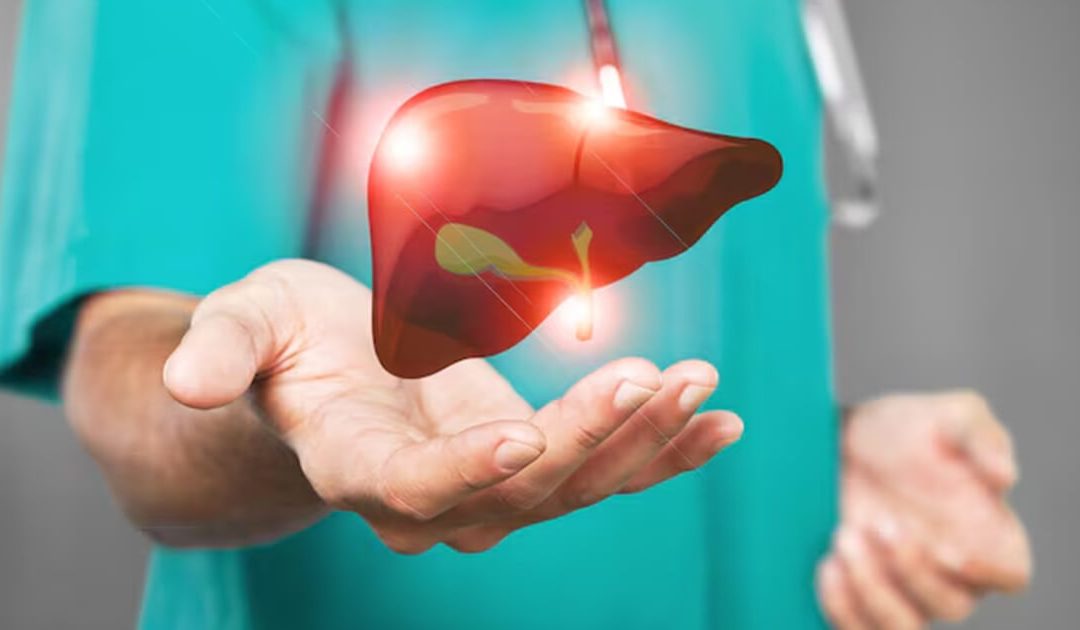
An organ that performs more than 500 vital functions, including detoxification, metabolism, digestion, and nutrient storage. When liver disease develops, these essential processes begin to slow down or fail, affecting the entire body. Early recognition and timely medical care significantly improve outcomes. Therefore, understanding common liver conditions, identifying warning symptoms, and knowing when professional evaluation becomes necessary can protect long-term health.
Understanding the Burden of Liver Conditions
Chronic liver disease continues to rise due to viral infections, metabolic disorders, obesity, and alcohol related injury. Hepatitis B and C infections remain major contributors to chronic liver damage. In addition, fatty liver disease has increased due to sedentary lifestyles and poor dietary habits. Because many disorders progress silently, individuals often ignore early warning signs.
The organ has remarkable regenerative capacity. However, repeated inflammation or toxic injury gradually leads to fibrosis, cirrhosis, and even failure. Consequently, regular health checkups and awareness of risk factors play a crucial role in preventing disease progression.
What Are the 4 Stages of Liver Disease?
Understanding disease progression helps individuals recognize the urgency of early intervention.
Stage 1: Inflammation
The liver becomes inflamed due to infection, fat accumulation, or toxins. Although damage remains mild, treatment at this stage prevents progression.
Stage 2: Fibrosis
Persistent inflammation leads to scar tissue formation. The organ still functions, but structural changes begin to appear.
Stage 3: Cirrhosis
Extensive scarring disrupts blood flow and liver architecture. Complications such as fluid accumulation and internal bleeding may develop.
Stage 4: Liver Failure
The organ loses its ability to perform essential functions. This stage requires urgent specialist care and may necessitate transplantation.
Early Signs and Symptoms to Watch
Many people overlook early warning indicators. However, recognizing the signs at an early stage prevents irreversible damage.
Common symptoms include:
- Persistent fatigue and weakness
- Loss of appetite
- Nausea or vomiting
- Mild abdominal discomfort in the right upper abdomen
- Dark colored urine
- Pale stools
Because these symptoms appear nonspecific, individuals frequently ignore them. Nevertheless, ongoing discomfort or unexplained fatigue warrants medical evaluation.
As damage progresses, more noticeable signs of liver disease may develop. These include yellowing of the skin and eyes, swelling in the legs, abdominal fluid accumulation, easy bruising, confusion, and persistent itching.
If any of these symptoms of liver problems persist for more than a few days or worsen, prompt consultation with a physician becomes essential.
Diagnostic Evaluation and Essential Blood Tests
Accurate diagnosis depends on laboratory testing and imaging studies. Doctors typically begin with blood tests to assess the complete function of the organ. Since patients frequently ask about the liver function test name used in routine evaluation. Common components in LFT include:
- Alanine aminotransferase
- Aspartate aminotransferase
- Alkaline phosphatase
- Bilirubin
- Albumin
When to See a Doctor Immediately
While mild digestive discomfort may not require emergency care, certain symptoms demand urgent medical attention.
Seek medical help if you experience:
- Sudden yellowing of skin or eyes
- Severe abdominal swelling
- Vomiting blood or passing black stools
- Persistent high fever with abdominal pain
- Sudden confusion or drowsiness.
These warning signals often indicate advanced liver disease or serious complications such as internal bleeding or failure.
Additionally, individuals with diabetes, obesity, hepatitis infection, or long-term medication use should undergo routine screening even without obvious symptoms. Physicians evaluate risk factors alongside clinical findings to detect disease at earlier stages.