


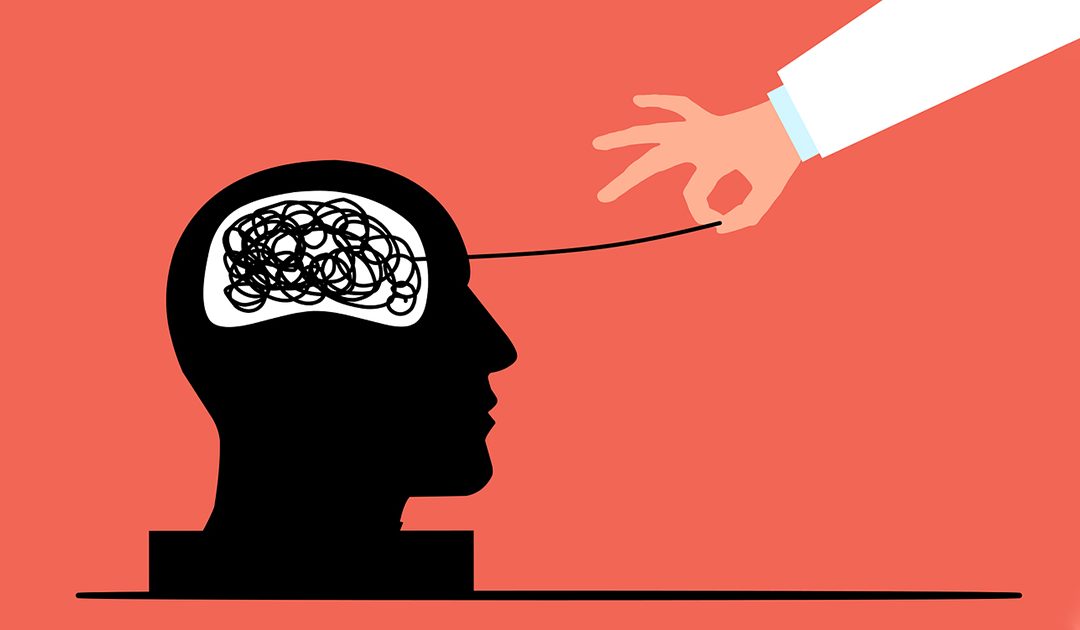
Mental well-being influences how people think, feel, work, and build relationships every day. Strong mental health awareness helps individuals recognize emotional challenges early, replace fear with facts, and seek timely care without hesitation. When communities understand psychological well-being as an essential part of overall well-being, they reduce preventable crises and support long term well-being.
What Is Mental Health Awareness And Why It Matters
It refers to recognizing psychological conditions, understanding early warning signs, and knowing when and where to seek professional help. More importantly, mental health awareness challenges harmful myths that portray psychological illness as weakness. Instead, it emphasizes that mental health conditions respond well to evidence based care. As awareness improves, individuals feel empowered to prioritize their emotional well-being just as they would physical health.
Breaking Stigma Through Knowledge and Conversation
Stigma remains one of the strongest barriers to care. Fear of judgment often delays help seeking, which allows symptoms to worsen. Mental health awareness counters stigma through accurate information, respectful language, and open conversations in homes, schools, workplaces, and communities. When people share experiences responsibly and leaders model empathy, silence gives way to understanding. As a result, early intervention becomes more common and recovery outcomes improve.
Recognizing the Types of Mental Illness
Understanding the types of mental illness allows people to identify symptoms accurately and respond appropriately. Common categories include anxiety disorders, mood disorders such as depression and bipolar disorder, trauma related disorders, psychotic disorders, substance use disorders, eating disorders, and neurodevelopmental conditions. Each condition presents distinct signs and requires tailored care. Awareness of psychological conditions prevents misinterpretation of behavior and promotes timely referral to trained professionals.
The Importance of Screening and Early Detection
Early identification plays a crucial role in recovery. A clinically validated mental health test and clinical evaluation help identify concerns related to stress, anxiety, mood changes, sleep problems, or substance use. Early detection reduces complications, improves treatment response, and minimizes disruption to daily life.
Encouraging Timely Care and Support Systems
Access to care improves when people understand available pathways and trust health services. Mental health awareness highlights options such as primary care consultations, counseling, psychiatric services, crisis support lines, and community based programs. Integrated care models further strengthen outcomes by addressing psychological well-being alongside physical health. Family members and caregivers also contribute by offering emotional support, reducing stigma, and encouraging treatment adherence.
Community Action and Global Awareness Efforts
Public engagement strengthens awareness at scale. World Mental Health Day serves as a global platform to promote education, advocacy, and access to psychological well-being services. Activities often include screenings, workshops, policy discussions, and outreach programs. These initiatives extend awareness beyond a single day and help normalize psychological well-being conversations throughout the year.
Practical Steps for Individuals and Families
Every person can take meaningful action. Learn early warning signs, schedule routine emotional check-ins, and seek help at the first sign of distress. See a credible practitioner when concerns arise, and follow professional guidance. Encourage loved ones with empathy and patience. Through consistent mental health awareness, individuals replace delay with informed action and sustained support.