


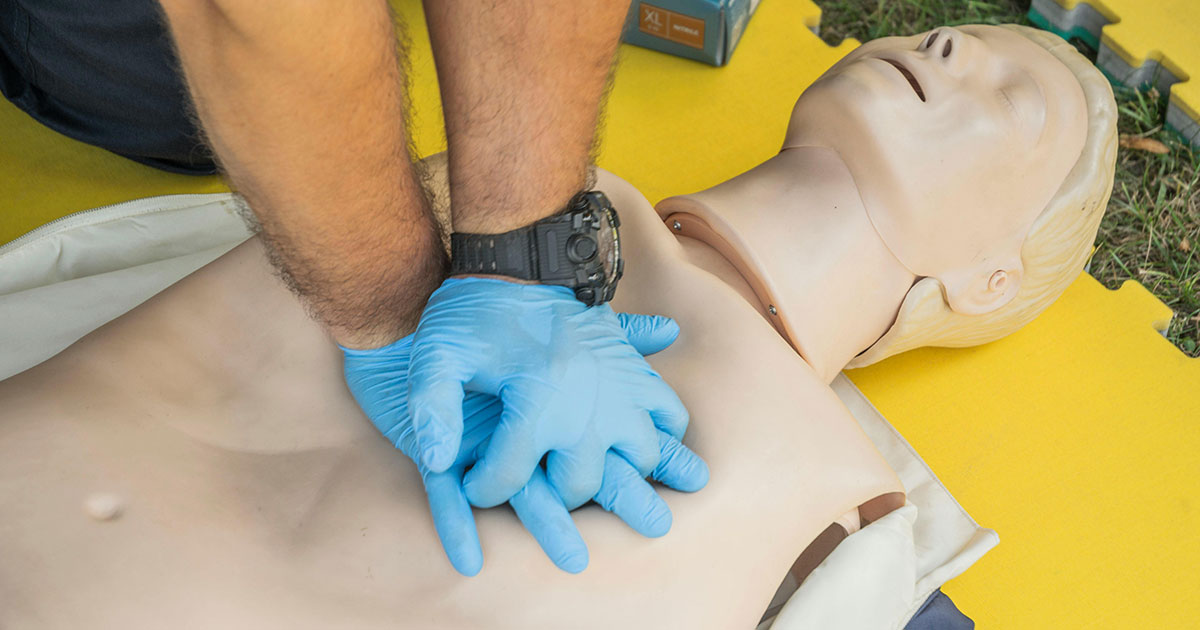
Understanding why CPR matters is important because cardiac emergencies happen without warning, and survival depends on how quickly someone nearby responds. It keeps blood flowing to the brain and vital organs, and this immediate support often becomes the only thing that keeps a person alive until professionals arrive. Because emergencies unfold in seconds, learning this procedure gives you the power to act confidently instead of freezing in fear.
What is CPR in Medical Terms and How It Works
In medical terms, it means cardiopulmonary resuscitation. CPR uses chest compressions and, when trained responders assist, rescue breaths that help maintain blood flow and oxygen movement when the heart stops. When the heart fails to pump, oxygen delivery stops instantly, and the brain begins to suffer damage within minutes. This procedure keeps vital circulation going and buys lifesaving time until defibrillation or advanced care restores normal heart function.
Many people still hesitate because they assume only medical professionals can help. However, the body needs immediate support long before an ambulance arrives. CPR turns a bystander into an active lifesaver.
1. Saves Lives When Every Second Counts
Sudden cardiac arrest causes the heart to stop pumping blood. Without quick action, the brain and organs start to shut down. This is exactly why CPR is important when every second matters. This life-saving procedure keeps blood flowing, and as a result, survival rates rise significantly when bystanders start compressions quickly.
Most cardiac arrests occur outside hospitals, often at home. When you know CPR, you serve as the first responder, and your action directly influences whether a person survives long enough to reach advanced medical care.
2. Protects the Brain From Lasting Damage
The brain needs continuous oxygen. Without CPR, irreversible brain injury can occur within minutes. Strong, consistent chest compressions help maintain limited but critical blood flow. This slows down brain damage and gives emergency teams a crucial chance to revive the heart.
Since the brain determines long-term recovery, this procedure not only saves a life but also preserves the person’s ability to return to normal daily activity.
3. Helps You Take Action Instead of Panicking
People freeze in emergencies simply because they do not know what to do. CPR training gives you the skills and confidence to act fast. You recognize the signs, respond immediately, and stay focused until help arrives.
Because many cardiac arrests occur in front of family members, co-workers, or bystanders, having trained individuals nearby dramatically improves survival. This underscores why CPR is important for every household, workplace, and community.
4. Improves Recovery and Long-Term Outcomes
This procedure does more than help someone survive. It increases the chances of a stronger recovery. When oxygen continues to reach the brain, even in small amounts, the person may avoid severe long-term disability.
This benefit highlights why is CPR important for maintaining not just life, but quality of life. Families often face fewer emotional and medical challenges when this procedure supports the brain and organs.
5. Training Prepares You to Help Anyone, Anywhere
This procedure applies to adults, children, and infants. Training helps you learn how to adjust your technique properly for every age group. You also learn how to respond to drowning events, choking, collapsing athletes, and traumatic incidents. Communities with more trained citizens see dramatically higher survival rates.
When to Perform CPR
Knowing when to perform this procedure removes hesitation. Start immediately when someone:
- Collapses suddenly
- Becomes unresponsive
- Does not breathe or only gasps
Call emergency services and begin compressions without delay. The brain cannot afford even a short pause in oxygen.
Final Thoughts
Learning CPR prepares you to step forward with confidence when a cardiac emergency strikes. It strengthens communities, protects families, and saves lives. Because emergencies can happen anywhere, knowing why is CPR important ensures you never stand by helplessly when someone needs immediate support.
FAQs
Why should everyone learn CPR?
Everyone should understand why is CPR important because emergencies often occur before medical professionals arrive. This procedure supports survival, protects brain function, and gives families and communities stronger safety.
The information provided in this blog is for general awareness and educational purposes only. While Usman Memorial Hospital (UMH) strives to ensure accuracy, medical information is constantly evolving, and the content may not reflect the most current guidelines or research.
This blog should not be considered medical advice, diagnosis, or treatment, and should not replace consultation with a qualified healthcare professional.
Usman Memorial Hospital (UMH) does not assume any responsibility or liability for any actions taken based on the information provided here. For personalized medical guidance or concerns, please consult your doctor or a licensed healthcare provider.